


 Casino
Vegas Strip Blackjack Rules and Smart Strategy
Blackjack remains one of the most popular card games worldwide, with the Vegas Strip blackjack variant standing out as a favourite for both casual players and seasoned enthusiasts.
May 21, 2026

21 Plus 3 Blackjack is a captivating variant of the classic casino card game, blending the excitement of blackjack with the strategic allure of poker. The addition of the “21 Plus 3” side bet introduces new layers of anticipation and potential reward, making it a favourite among both seasoned players and newcomers seeking a fresh twist. This comprehensive guide explores the rules, mechanics, strategies, and variations of 21 Plus 3 Blackjack, equipping you with the knowledge to approach the game with confidence and responsibility.
21 Plus 3 Blackjack is a standard blackjack game enhanced by an optional side bet. This side bet is based on the combination of the player’s first two cards and the dealer’s upcard, forming a three-card poker hand. If this combination matches specific poker hands, the side bet pays out according to a set structure. The main game remains blackjack, but the side bet introduces an extra dimension of strategy and excitement.
While the core gameplay mirrors traditional blackjack – aiming for a hand value as close to 21 as possible without exceeding it – the 21 Plus 3 side bet sets this variant apart. In standard blackjack, the focus is solely on the player’s hand versus the dealer’s. With 21 Plus 3, players have the chance to win additional payouts based on poker-style combinations, regardless of the outcome of the main blackjack hand.
To play 21 Plus 3 Blackjack, you need:
Key elements include:
21 Plus 3 Blackjack’s unique combination of blackjack and poker mechanics makes it an engaging choice for those seeking variety and extra excitement at the casino table.
At its heart, 21 Plus 3 Blackjack follows the traditional rules of blackjack. Each player competes against the dealer, aiming to achieve a hand total closer to 21 than the dealer’s hand, without going over. The game uses one or more standard decks of 52 cards, and card values are as follows:
Players receive two cards face up, while the dealer receives one card face up (the “upcard”) and one face down.
Before the cards are dealt, players may place a side bet in the designated 21 Plus 3 circle. This bet is independent of the main blackjack wager and is resolved based on the combination of the player’s initial two cards and the dealer’s upcard. The side bet must be placed at the same time as the main bet; it cannot be added after the cards are dealt.
The 21 Plus 3 side bet is determined by forming a three-card poker hand from the player’s first two cards and the dealer’s upcard. The following combinations typically qualify for payouts:
Example Table: Common 21 Plus 3 Combinations
| Combination | Example | Typical Payout |
| Flush | 7♠ 9♠ Q♠ | 5:1 |
| Straight | 5♣ 6♦ 7♠ | 10:1 |
| Three of a Kind | 8♠ 8♦ 8♣ | 30:1 |
| Straight Flush | 3♥ 4♥ 5♥ | 40:1 |
| Suited Three of a Kind | K♣ K♣ K♣ | 100:1 |
Understanding these combinations is crucial for anyone interested in how to play 21 Plus 3 Blackjack and maximise their enjoyment of the side bet feature.
The 21 Plus 3 side bet is resolved immediately after the initial deal. Only the player’s first two cards and the dealer’s upcard are considered. If these three cards form one of the qualifying poker hands, the side bet pays out according to the table’s payout structure. The most common qualifying hands are:
Each combination has its own probability, with suited three of a kind being the rarest and most lucrative.
Payouts for the 21 Plus 3 side bet vary between casinos and game versions, but a typical payout table might look like this:
| Hand | Payout |
| Flush | 5:1 |
| Straight | 10:1 |
| Three of a Kind | 30:1 |
| Straight Flush | 40:1 |
| Suited Three of a Kind | 100:1 |
Some tables offer enhanced payouts for specific combinations or progressive jackpots, which can alter the house edge.
The house edge for the 21 Plus 3 side bet depends on the payout structure and the number of decks in play. Generally, the house edge ranges from 2.78% to over 7%, making it higher than the main blackjack game. The probability of landing a qualifying combination is relatively low – less than 5% per hand – so players should approach the side bet as a fun addition rather than a main strategy.
Probability Table:
| Combination | Probability (6 decks) |
| Flush | ~3.4% |
| Straight | ~3.2% |
| Three of a Kind | ~0.2% |
| Straight Flush | ~0.2% |
| Suited Three of a Kind | ~0.01% |
Understanding these odds is essential for responsible play and for developing a sound 21 Plus 3 Blackjack strategy.
When considering the 21 Plus 3 side bet, it’s important to recognise that it is a high-volatility wager. The best approach is to treat it as an occasional entertainment feature rather than a consistent money-making opportunity. Most experienced players recommend limiting side bet wagers to a small percentage of your total session bankroll. For guidance on core blackjack decisions beyond side bets, understanding blackjack when to double down can further sharpen your overall strategy.
There is no skill-based way to predict the outcome of the 21 Plus 3 side bet, as it is based on random card distribution. However, some players enjoy placing the side bet when they feel lucky or want to add excitement to a session. The key is to avoid chasing losses and to stick to predetermined limits.
Tips for Side Bet Placement:
Effective bankroll management is crucial for anyone playing 21 Plus 3 Blackjack, especially when incorporating side bets. Here are some practical tips:
By following these guidelines, you can enjoy the thrill of 21 Plus 3 Blackjack while maintaining responsible play habits.
21 Plus 3 Blackjack is offered with various payout structures, depending on the casino or platform. Some tables may feature enhanced payouts for rarer combinations, such as a “Top 3” bonus for suited three of a kind or progressive jackpots. It’s important to review the payout table before playing, as this directly affects the house edge and your potential returns.
Comparison Table: Payout Variations
| Hand | Standard Payout | Enhanced Payout |
| Flush | 5:1 | 9:1 |
| Straight | 10:1 | 12:1 |
| Three of a Kind | 30:1 | 35:1 |
| Straight Flush | 40:1 | 50:1 |
| Suited Three of a Kind | 100:1 | 270:1 |
Some regions or casinos may introduce unique rules or additional side bets, such as the “Top 3” or “Lucky Lucky” side bets, which further diversify the game. These variations can alter the payout structure, qualifying hands, and even the number of decks used. Always check the specific rules at your chosen venue or online platform.
21 Plus 3 Blackjack is widely available both online and in live dealer settings, including crypto live blackjack platforms. Online versions often offer faster gameplay and a range of betting limits, while live dealer games provide a more authentic casino experience with real-time interaction. Both formats adhere to the same fundamental rules, though online games may feature automated side bet resolution and digital interfaces for ease of play.
Key Differences:
Whether you choose to play online or at a land-based casino, understanding the specific version and its rules is crucial for maximising your enjoyment and managing your expectations.
Typical payouts are 5:1 for a flush, 10:1 for a straight, 30:1 for three of a kind, 40:1 for a straight flush, and 100:1 for a suited three of a kind. Payouts may vary by casino or game version.
Yes, 21 Plus 3 Blackjack is widely available at many online casinos, both as digital RNG games and live dealer versions — including platforms that let you play blackjack with BTC. Always check the game rules and payout structures before playing.
The house edge for the 21 Plus 3 side bet typically ranges from 2.78% to over 7%, depending on the payout table and number of decks used. This is higher than the main blackjack game.
After the initial deal, check if your two cards and the dealer’s upcard form a flush, straight, three of a kind, straight flush, or suited three of a kind. The dealer or game software will automatically resolve and pay winning side bets.
Blackjack remains one of the most popular card games worldwide, with the Vegas Strip blackjack variant standing out as a favourite for both casual players and seasoned enthusiasts.

Blackjack is one of the most popular casino games, both in traditional casinos and online platforms like Betpanda.
For many enthusiasts, Blackjack is a singular game of skill and chance, a race to 21 against the dealer.

Blackjack remains one of the most popular and enduring card games in both land-based and online casinos.

Extreme Blackjack is a modern twist on the classic game of blackjack, designed to heighten excitement and introduce new layers of engagement.
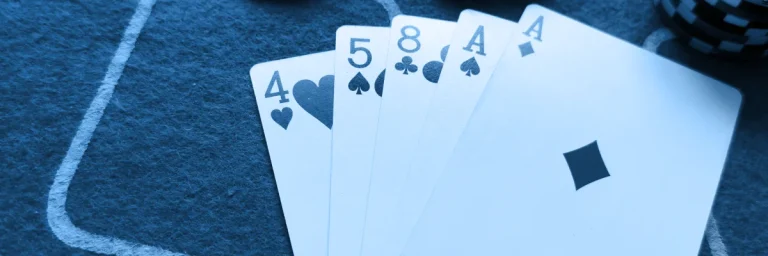
In blackjack, a “bust card” refers to any card that, if drawn, causes a player or the dealer to exceed 21, resulting in an automatic loss for that hand.
Online blackjack has evolved into one of the most popular and engaging casino games available on the internet.

21 Plus 3 Blackjack is a captivating variant of the classic casino card game, blending the excitement of blackjack with the strategic allure of poker.
Blackjack is a game of skill, mathematics, and intuition - far more than just luck.