


 Casino
Live Casino Tips for Smarter Real Dealer Play
Live casino games have revolutionised online gambling, offering an immersive experience that closely replicates the atmosphere of a physical casino.
May 18, 2026
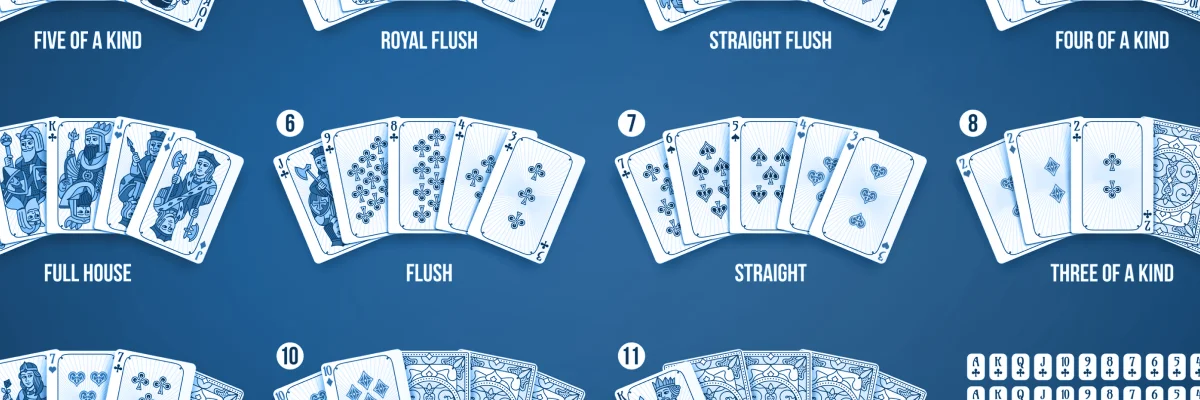
Poker is one of those games where a single move can shift the outcome completely, turning a near loss into a big win. In the fast-paced world of crypto poker, a Push Fold Chart gives players a reliable way to cut through the pressure and make sharp decisions.
Poker is more than just a pastime it’s a true test of strategy, discipline, and timing. Tools and structured approaches give players the edge they need, especially when managing shorter stacks in tournament play. By keeping your choices consistent and precise, you can outlast opponents and stay competitive. It’s this blend of skill and calculated play that makes the platform stand out as one of the go-to places for the best bitcoin poker experience online.
If you’re just starting out, poker can feel overwhelming. That’s why learning the basics of the push fold chart is a game-changer. This simple tool tells you whether to shove all-in or fold based on your stack size and position at the table.
For beginners, the beauty of this chart is that it removes guesswork. Instead of overthinking whether your cards are good enough, you have a clear mathematical guide. Many players use this strategy as their foundation when entering crypto poker tournaments. It’s a straightforward way to keep your play solid while you gain more experience.
At its core, poker is about making the smartest possible decision with limited information. A structured strategy helps bridge that gap, using probabilities and position to determine when it’s statistically profitable to push all-in or let go of your hand.
By following this kind of framework, you avoid common pitfalls like calling too wide or playing hands that simply don’t hold long-term value. On betpandacasino.io, where the pace is fast and blinds rise quickly, having a disciplined approach keeps you competitive. It’s not about flash it’s about consistency, survival, and capitalising on the right spots.
Not every poker hand demands rigid structure, but it becomes invaluable when your stack size gets short, usually below 20 big blinds. In these moments, precision in your all-in decisions can mean the difference between busting out or staying alive.
This approach proves especially useful in:
Many crypto poker players find that sticking to disciplined, math-based decisions during these high-pressure moments helps them avoid emotional mistakes and stay sharp under pressure.
What makes betpandacasino.io special is its seamless crypto-first environment, which makes applying tools like the push fold chart even easier. The site’s poker rooms are designed for quick gameplay, and using a structured decision-making system fits perfectly.
Imagine you’re down to a short stack in a crypto tournament. Instead of second-guessing whether your Ace-7 offsuit is worth playing, you consult the chart. It tells you whether to shove based on your position and stack size. The decision is clear, fast, and mathematically sound. Over time, these consistent plays add up, improving both survival rates and potential winnings.
This offers several distinct advantages for online players. First, it cuts down on decision fatigue. Instead of agonizing over borderline hands, you have a ready-made plan.
Second, it’s backed by math. You know you’re making choices that have long-term profitability, even if a single hand doesn’t go your way. Third, it builds confidence. Confidence matters crypto players often face opponents who rely on instinct, but sticking to a structured plan gives you a steady edge.
One mistake players make is following it too rigidly, ignoring table dynamics. For example, if opponents are overly tight, you may be able to shove wider than the chart suggests. On the flip side, against loose players, you might need to tighten up.
Other common errors include:
Avoiding these pitfalls keeps your game sharp and helps you adapt while still relying on the chart as a baseline.
A structured strategy is a great foundation, but seasoned players know it’s only one piece of the puzzle. To really sharpen your edge, you need to go beyond the basics by reading opponents, paying attention to bet sizing patterns, and watching for subtle timing cues.
For instance, you might spot a rival who constantly folds when pressured near the bubble of a tournament. That’s the perfect opportunity to widen your range and apply more aggression. On the flip side, when facing a “calling station,” playing more conservatively and sticking to tighter decisions often prevents costly mistakes.
At crypto casino Betpanda, you get the ideal environment to test these adjustments. The platform allows you to combine structured gameplay with adaptive tactics, helping you balance discipline with the instincts needed to thrive against real opponents.
Today’s poker players want flexibility, and our casino delivers with mobile-optimized tables that run seamlessly on both desktop and handheld devices. Strategy tools and structured approaches adapt perfectly to smaller screens, ensuring that decision-making stays sharp even when you’re playing on the move.
On a phone or tablet, every second matters. Having a clear system for making choices helps you avoid hesitation in marginal situations. Whether you’re commuting, taking a break, or fitting in a quick session at home, this style of disciplined play keeps the action flowing without unnecessary delays.
At the end of the day, no strategy tool is a magic fix it’s just one part of the bigger picture. But when paired with discipline, it becomes one of the most effective ways to bring order and consistency to your game. It reduces stress, helps guide your moves under pressure, and keeps you from drifting into emotional play. After all, every serious player has asked themselves at some point, “what does on tilt mean in poker?” and the answer always comes back to this: tilt happens when emotions override strategy. Staying grounded with structured decisions is the best defense.
On betpandacasino.io, where crypto poker emphasizes speed, fairness, and precision, combining these tools with experience, intuition, and bankroll management creates a powerful edge. The next time you’re under pressure, remember it’s not just about luck, it’s about making the smartest move possible.
This is a guide that helps players decide when to go all-in or fold based on stack size and position. It simplifies decision-making in high-pressure moments, making it especially useful in short-stack play.
Using this tool ensures you make mathematically sound choices. It reduces guesswork, helps avoid common mistakes, and gives you a consistent strategy for short-stack situations.
The chart is most effective when your stack is under 20 big blinds, particularly in tournaments, turbo formats, or late-game stages where blinds are high.
Yes, the chart works seamlessly on mobile, letting you stick to a disciplined strategy even when you’re playing on the go.
Many pros use it as a foundation, especially in fast-paced formats. However, they often adjust their ranges based on opponent behavior and table dynamics.
Live casino games have revolutionised online gambling, offering an immersive experience that closely replicates the atmosphere of a physical casino.

Artificial intelligence (AI) is rapidly transforming the landscape of online gambling, ushering in a new era of smarter, more personalised, and immersive casino experiences.

Plinko has become a favourite among online casino enthusiasts, blending the thrill of chance with the intrigue of strategic decision-making.
Craps is one of the most iconic and energetic games found in both physical and online casinos.

The Don't Pass Line is a fundamental wager in craps, allowing players to bet against the shooter rather than with them.
Teen Patti, often known as "Indian Poker," is a captivating card game rooted in centuries-old traditions and modern-day strategy.
Baccarat has long been a favourite at both traditional and online casinos, thanks to its elegant simplicity and fast-paced action.

C betting poker is a cornerstone of modern post-flop strategy, influencing every hand and shaping the flow of play at the tables.
Blackjack is a game of skill, mathematics, and intuition - far more than just luck.