


 Casino
Live Casino Tips for Smarter Real Dealer Play
Live casino games have revolutionised online gambling, offering an immersive experience that closely replicates the atmosphere of a physical casino.
May 18, 2026
Poker does not reward guesswork. It rewards observation, discipline, and the ability to interpret human behaviour under pressure. At every table, players send signals without speaking. These signals form what professionals call a poker tell, and learning to recognise them can reshape the way you approach every hand.
Whether you play casually online or compete seriously, understanding these behavioural clues helps you anticipate actions before the cards hit the felt. Many players sharpen these skills while they play American Poker Gold, where fast decision cycles expose patterns quickly and punish hesitation.
This article explores how behavioural signals develop, why they matter, and how you can identify them with confidence. You will learn to separate meaningful information from noise and apply that knowledge in real time without slowing your game.
A poker tell represents any observable behaviour that reveals information about a player’s hand strength or intentions. These signals can appear physically, verbally, or through timing and betting patterns. A single signal rarely tells the full story, but repeated behaviours create reliable insight.
Modern poker extends beyond facial expressions and shaking hands. Online environments produce digital equivalents through bet sizing, reaction speed, and pattern repetition. Players who ignore these elements leave valuable information unused.
The key lies in context. A tell only matters when you connect it to a baseline of how that opponent normally behaves.
Poker rewards players who act on incomplete information better than others. Every extra detail improves decision quality. A strong behavioural signal can tilt marginal calls into profitable folds or turn cautious checks into decisive bets.
Good players never rely on tells alone. They combine them with position, stack size, and opponent history. This layered approach increases consistency and reduces emotional decision making.
Over time, recognising patterns becomes instinctive. You stop reacting emotionally and start acting strategically.
Live environments still offer the richest source of observable behaviour. Many players underestimate how much they reveal through body language.
Look closely at these frequent indicators:
Each behavioural signal gains meaning only after repetition. One instance proves nothing. Three or four similar reactions create usable data.
Timing provides some of the most reliable information available. Players act quickly when decisions feel easy. They pause when uncertainty enters the equation. Timing-based poker tell analysis works especially well online.
Fast calls often indicate drawing hands or medium strength. Long pauses followed by raises frequently suggest bluffs designed to appear strong. However, experienced players sometimes reverse these patterns deliberately.
Focus on consistency. Compare reaction speed across similar situations to uncover real intention.
Bet sizing communicates confidence more clearly than words. Players rarely randomise bet sizes perfectly, even when they believe they do.
Watch for these tendencies:
A reliable behavioural indicator appears when bet sizing deviates from a player’s usual pattern. These deviations only matter when you understand what “normal” looks like for that opponent. Track sizing tendencies over multiple hands before reacting, as isolated changes often reflect circumstance rather than intent.
Not every signal reflects truth. Some players act deliberately, while others misread their own emotional responses. A strong poker tell reader focuses on psychology rather than surface-level theatrics and avoids reacting to exaggerated behaviour.
False tells often appear when players attempt to look calm or deceptive on purpose. Overacting usually backfires, as experienced opponents recognise forced behaviour quickly. Instead of chasing dramatic reactions, focus on small inconsistencies that repeat naturally. Reliable information emerges quietly and becomes visible only over time.
Online poker removed physical observation but replaced it with behavioural data. Cursor movement, bet timing, and sizing rhythm now provide the same insight that posture once did.
Many players expose habits unconsciously when they multitask or play tired. Tracking these details offers a consistent edge, especially in fast formats and BTC poker games, where rapid decisions magnify behavioural leaks and punish autopilot play.
A modern poker tell often appears through repetition rather than emotion. Patterns reveal far more than expressions ever did.
You cannot force intuition. You build it through structured observation and disciplined review. Players who rush this process often overinterpret noise.
Improve your skill by:
This approach strengthens pattern recognition and reduces bias. It also aligns closely with structured learning methods, where deliberate practice replaces random experience.
Awareness cuts both ways. As you learn to read opponents, you must also manage your own behaviour carefully. Every visible habit you reveal gives observant players information they can use against you, often without your awareness.
Focus on consistency. Keep similar timing across decisions, avoid sudden changes in bet sizing, and control physical reactions in live games. Online, eliminate distractions that disrupt your rhythm. When opponents cannot establish a clear baseline, they struggle to interpret your actions accurately.
Tells support strategy, but they never replace it. Strong fundamentals such as position, pot odds, and opponent profiling still form the core of consistently winning decisions. Players who rely only on observation often drift into guesswork and lose structure over time.
Behavioural clues work best as confirmation rather than justification. When strategic logic and observation align, you can act with greater confidence. When they conflict, disciplined players fall back on logic, probability, and long-term expectation. This balanced approach reflects how to study poker effectively, where analysis, repetition, and controlled decision-making shape consistent performance.
A poker tell offers insight, not certainty. Players who treat it as one input among many gain a measurable edge without falling into psychological traps. The strongest competitors observe patiently, act selectively, and trust patterns over impulses.
As poker continues to evolve, behavioural awareness remains relevant across every format. Platforms like betpandacasino.io reflect this shift by combining fast gameplay with environments where observation still matters. When you integrate tell recognition with sound strategy, you stop guessing and start controlling outcomes.
Poker rewards those who pay attention.
Live casino games have revolutionised online gambling, offering an immersive experience that closely replicates the atmosphere of a physical casino.

Artificial intelligence (AI) is rapidly transforming the landscape of online gambling, ushering in a new era of smarter, more personalised, and immersive casino experiences.

Plinko has become a favourite among online casino enthusiasts, blending the thrill of chance with the intrigue of strategic decision-making.
Craps is one of the most iconic and energetic games found in both physical and online casinos.

The Don't Pass Line is a fundamental wager in craps, allowing players to bet against the shooter rather than with them.
Teen Patti, often known as "Indian Poker," is a captivating card game rooted in centuries-old traditions and modern-day strategy.
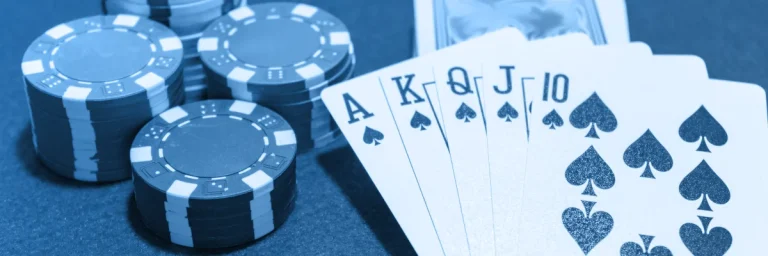
Baccarat has long been a favourite at both traditional and online casinos, thanks to its elegant simplicity and fast-paced action.

C betting poker is a cornerstone of modern post-flop strategy, influencing every hand and shaping the flow of play at the tables.
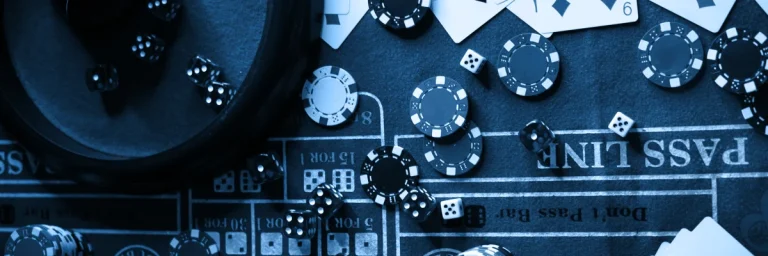
Blackjack is a game of skill, mathematics, and intuition - far more than just luck.