


 Casino
Full House Poker Hand Ranking & Probability
Poker is a game of skill, strategy, and probability. Among the various hands in poker, the full house poker hand stands out as a particularly strong combination.
May 25, 2026
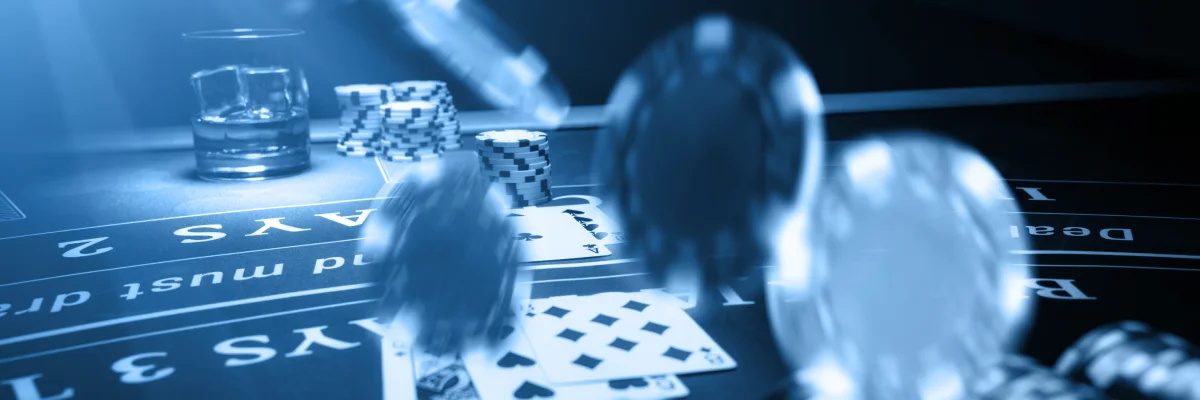
Poker is a game of skill, strategy, and psychology – from mastering poker combos to reading opponents – but it also relies heavily on clear rules and proper conduct. One of the most misunderstood aspects among new and even experienced players is poker string betting. Understanding this rule – and the broader etiquette at the table – ensures fair play and a positive experience for everyone. This comprehensive guide explores poker string betting, its impact on gameplay, proper betting techniques, essential etiquette, and how to avoid common betting mistakes.
Poker string betting refers to a specific betting infraction that can lead to confusion, disputes, and even accusations of unfair play. To fully grasp its significance, it’s essential to break down what constitutes a string bet, why it’s prohibited, and how it commonly occurs at the table.
A string bet happens when a player makes a bet or raise in multiple separate motions without clearly declaring their intended total amount. For example, if a player pushes forward a stack of chips, then reaches back to add more chips without first stating the full amount, this is considered a string bet. The key issue is ambiguity: other players and the dealer cannot be certain of the bettor’s intentions.
String betting often arises when a player is unsure of their bet size or is trying to gauge opponents’ reactions before committing more chips. This lack of clarity can disrupt the flow of the game and create opportunities for manipulation.
The main reason poker string betting is not allowed is to prevent angle shooting – a form of unethical play where a player exploits unclear actions to gain an unfair advantage. By betting in multiple motions, a player could potentially influence the reactions of others before finalising their own bet. This undermines the integrity of the game.
Poker string betting rules are enforced to ensure that every action at the table is clear and unambiguous. This protects all players from potential exploitation and maintains the fairness and pace of the game.
Understanding these scenarios helps players avoid accidental infractions and fosters smoother gameplay.
String betting is more than a technicality; it significantly affects the dynamics and fairness of poker games. Recognising its impact helps players appreciate why strict enforcement is necessary and how it shapes the overall experience at the table.
Angle shooting refers to exploiting loopholes or unclear actions for personal gain. String betting is a classic example. By betting in multiple motions, a player can gauge opponents’ reactions after the first movement and decide whether to commit more chips. This provides an unfair informational advantage and disrupts the level playing field that poker relies on.
For instance, if a player pushes out chips for a call and then, after observing opponents’ body language, adds more chips for a raise, they gain insight that others do not have. This undermines the trust and integrity essential to poker.
While string betting rules are universal, their enforcement may differ slightly between tournaments and cash games. In tournaments, strict adherence is crucial due to the higher stakes and structured environment. Tournament directors are vigilant in preventing any actions that could confer an unfair advantage or delay the game.
In cash games, dealers may exercise more discretion, especially if the infraction is clearly accidental and no advantage is gained. However, repeated or suspicious behaviour is always addressed. Players should never assume leniency; following proper poker betting guidelines is the best course in any setting.
Dealers play a vital role in identifying and addressing string betting. Their responsibilities include:
Dealers are trained to maintain fairness and ensure that all players understand the consequences of string betting. If a string bet is made, only the chips placed in the first motion are typically counted, and the rest are returned to the player.
Mastering proper betting techniques is crucial for avoiding string betting and ensuring smooth, fair play. By understanding the correct methods, players can focus on their strategy rather than worrying about technical infractions.
A verbal declaration is the clearest way to communicate your betting intent. When you say, “I bet 200,” or “Raise to 500,” before moving your chips, there is no ambiguity. In most poker rooms, verbal declarations are binding – meaning you must follow through with the stated action.
Verbalising your bet eliminates any doubt about your intentions and helps the dealer and other players keep track of the action. It’s especially important in noisy environments or when large pots are at stake.
Single motion betting means placing all the chips for your intended bet or raise in one continuous movement. This is the standard expected at most poker tables. If you wish to bet 400 chips, you should gather them in one hand and move them forward together.
This technique removes any uncertainty and ensures compliance with poker string betting rules. It also speeds up the game and reduces the risk of disputes.
Proper chip handling is an often-overlooked aspect of poker etiquette for beginners and seasoned players alike. Here are some best practices:
By following these guidelines, you demonstrate respect for the game and your fellow players, while also reducing the risk of accidental string betting.
Beyond technical rules, poker is governed by a set of unwritten customs that promote respect, fairness, and enjoyment. Observing proper betting etiquette in poker is as important as understanding the mechanics of the game.
One of the cardinal rules of poker etiquette is to act only when it’s your turn. Acting out of turn can reveal information, disrupt the flow, and create confusion. Always pay attention to the action and wait for the dealer’s cue before making your move.
If you act prematurely, the dealer may issue a warning or, in some cases, enforce your action if it influences others’ decisions. Consistently acting in turn is a sign of a disciplined and considerate player.
Proper chip stack management is vital for both practical and etiquette reasons. Keep your chips organised in visible, easily countable stacks. Avoid hiding large denomination chips behind smaller ones, as this can mislead opponents about your stack size.
Good chip management also speeds up betting and helps the dealer keep the game moving smoothly. If you need to exchange chips or break down a stack, wait until you’re not involved in a hand to avoid delaying the action.
Clear and respectful communication is a cornerstone of poker etiquette. Here are some guidelines:
By following these communication standards, you contribute to a positive and professional atmosphere at the table.
Even experienced players can fall into common betting pitfalls that disrupt gameplay and lead to disputes. By recognising these mistakes and learning how to avoid them, you can maintain proper betting etiquette and focus on your poker betting strategies.
One frequent error is unclear or inconsistent bet sizing. Always decide on your bet amount before acting, and ensure it is visible to the dealer and other players. Use standard chip denominations and avoid mixing too many different values in a single bet.
If you’re unsure about the correct bet size, ask the dealer for clarification before acting. This prevents accidental underbets, overbets, or string betting.
Ambiguity in your actions can lead to misunderstandings and disputes. Whether you’re betting, raising, or folding, always communicate your intent clearly – preferably both verbally and with a single, deliberate motion.
If you need time to decide, indicate that you’re thinking rather than reaching for chips. This avoids giving the impression of an incomplete or string bet.
Maintaining a reasonable pace of play is part of responsible gaming and good etiquette. Take enough time to make thoughtful decisions, but avoid excessive delays that slow down the game for others.
If you need to step away or take a break, wait until you’re not involved in a hand. Consistent, timely actions help keep the game enjoyable and fair for everyone.
| Mistake | Consequence | How to Avoid |
| String Betting | Bet may be reduced; warning issued | Use single motion or verbal declare |
| Acting Out of Turn | Disrupts play; possible penalty | Wait for your turn |
| Splashing the Pot | Hard to count chips | Place chips in front of stack |
| Unclear Bet Sizing | Disputes; slows game | Count chips before betting |
| Poor Communication | Misunderstandings; disputes | Announce actions clearly |
Poker string betting and proper etiquette are fundamental to maintaining fairness and enjoyment at the table. By understanding the rules, practising clear betting techniques, and respecting your fellow players, you contribute to a positive poker environment – whether playing live or enjoying bitcoin poker games at an online crypto casino like Betpanda. Always play responsibly and enjoy the game!
If you accidentally make a string bet, the dealer will typically count only the chips placed in your initial motion as your official bet. The additional chips will be returned to you, and you’ll receive a reminder about proper betting technique. Repeated infractions may result in warnings or further action.
In most poker rooms, a clear verbal declaration of your bet or raise is binding. This means you must follow through with the stated action, even if you later realise you made a mistake. Always think carefully before announcing your move.
To practice proper betting technique, always decide on your bet size before acting, use a single motion to place chips, and make verbal declarations when possible. Observing experienced players and asking the dealer for guidance can also help you develop good habits.
Online poker platforms automatically enforce betting rules, so string betting is not possible. After completing your poker registration, bets are made by clicking buttons or entering amounts, ensuring clarity and preventing multiple motions.
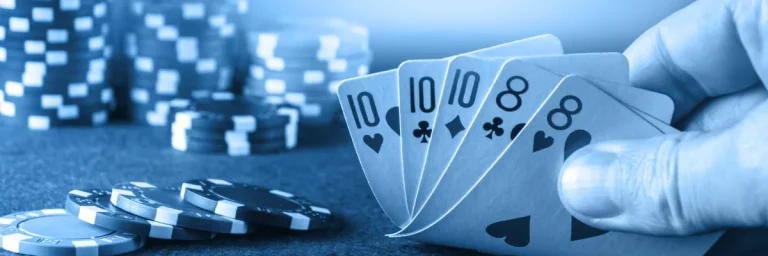
Poker is a game of skill, strategy, and probability. Among the various hands in poker, the full house poker hand stands out as a particularly strong combination.

Phil Ivey is a name that resonates throughout the poker world.
Playing cards are a universal language of games, strategy, and symbolism.

Poker has long fascinated both casual fans and serious players, not just for the thrill of the game but also for the staggering fortunes amassed by its most successful participants.

Poker chips are an integral part of the game, whether you’re playing at a high-stakes casino, hosting a home game or even poker with two people, or participating in a major tournament.

Poker is a game of skill, strategy, and psychology, but at its core lies a simple mechanic that keeps the action moving: the blinds.

Value betting in poker is a cornerstone of profitable play, especially when your goal is to extract the maximum number of chips from your opponents.

Slow play is one of the most intriguing and misunderstood tactics in poker.
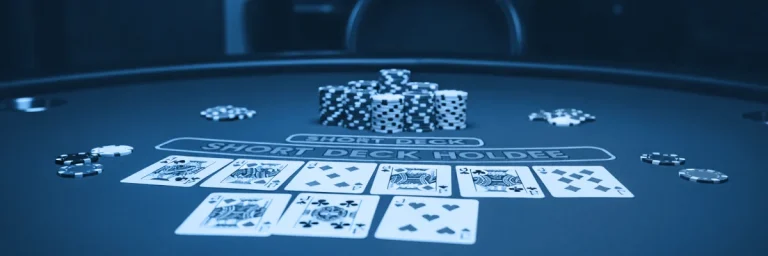
Short Deck Poker, also known as Six Plus Hold’em, has rapidly gained popularity in both live and online poker circles.