


 Casino
Full House Poker Hand Ranking & Probability
Poker is a game of skill, strategy, and probability. Among the various hands in poker, the full house poker hand stands out as a particularly strong combination.
May 25, 2026

Slow play is one of the most intriguing and misunderstood tactics in poker. While many players focus on aggressive betting and bold bluffs, slow play poker strategy involves a more subtle approach – playing a strong hand passively to lure opponents into making mistakes. In this comprehensive guide, we’ll explore the fundamentals of slow play, when it’s most effective, and the risks and rewards associated with this nuanced poker technique. Whether you’re a seasoned player or just beginning to refine your game through mastering poker practice, understanding slow play can add a powerful tool to your strategic arsenal.
Slow play is a strategic move in poker where a player with a strong hand chooses to play passively – checking or calling rather than betting or raising. The primary goal is to disguise the strength of your hand, encouraging opponents to bet more aggressively or remain in the pot with weaker holdings. By doing so, you increase the potential size of the pot and maximise your winnings from hands that might otherwise fold to aggression.
At its core, slow playing is about deception. Instead of scaring away opponents with big bets, you invite them to stay in the hand, hoping they’ll commit more chips. This tactic is most often used in games like Texas Hold’em, Omaha and double double bonus poker, where the dynamics of betting and community cards create opportunities for misdirection.
Imagine you hold pocket aces and the flop comes A♠ 7♦ 2♣. With top set on a dry board, betting aggressively may scare off opponents. By checking or calling, you invite bets and potentially trap someone with a weaker ace or a bluff.
Understanding the basics of slow play poker strategy is essential before diving into the more nuanced aspects, such as when to use it and when to avoid it.
Slow playing can be a highly effective strategy when used correctly, offering several advantages that can boost your overall profitability at the table and on anonymous betting sites. However, it’s important to recognise that these benefits are situational and depend on a careful reading of the game dynamics.
The primary benefit of slow play is extracting maximum value from opponents who would otherwise fold to aggressive action. By disguising the strength of your hand, you allow players with marginal holdings to stay in the pot and potentially commit more chips. This is particularly effective against opponents who are prone to bluffing or making loose calls.
Suppose you have a full house on the turn, and your opponent has a top pair. If you bet aggressively, they may fold. But by checking, you encourage them to bet or call, increasing the pot size.
Slow playing can also provoke opponents into bluffing. When you show weakness by checking or calling, aggressive players may interpret this as an opportunity to steal the pot. By trapping them, you can capitalise on their mistakes and win larger pots.
There are situations where you want to keep the pot manageable, especially if you’re unsure about the strength of your opponent’s hand or the potential for dangerous draws. Slow play allows you to control the pace of the hand, reducing the risk of over-committing your chips.
Using slow play as part of your overall strategy helps you build a balanced table image. If you always bet aggressively with strong hands, observant opponents will catch on and adjust. By occasionally slow playing, you keep your play unpredictable and difficult to read.
| Advantage | Description |
| Maximising Value | Extracts more chips from weaker hands that would fold to aggression. |
| Inducing Bluffs | Encourages opponents to bet with inferior hands or bluffs. |
| Pot Control | Keeps the pot smaller when facing potential draws or uncertain situations. |
| Balanced Table Image | Makes your play less predictable and harder to exploit. |
While the advantages of slow play are clear, it’s crucial to use this strategy responsibly. Overusing slow play or applying it in the wrong situations can backfire, leading to lost value or giving opponents free cards to improve their hands.
In summary, the advantages of slow play poker are substantial, but they hinge on timing, opponent tendencies, and board conditions. Mastering these elements is key to leveraging slow play effectively.
Knowing when to slow play in poker is as important as understanding how to do it. The effectiveness of slow play depends on several factors, including the strength of your hand, the board texture, opponent types, and the overall table dynamics.
Slow play works best with hands that are very strong but not vulnerable to being outdrawn. Typical examples include:
You hold pocket kings and the flop comes K♣ 8♦ 3♠. With top set on a safe board, slow playing can entice opponents to bet with weaker pairs or bluffs.
The board texture is critical in deciding whether to slow play. Ideal situations include:
Understanding your opponents is essential. Slow play is most effective against:
| Factor | Ideal for Slow Play | Avoid Slow Play |
| Hand Strength | Top set, full house, nuts | Marginal or vulnerable hands |
| Board Texture | Dry, few draws | Wet, many draws |
| Opponent Type | Aggressive, bluff-prone | Passive, tight |
| Pot Size | Deep stacks, heads-up | Multi-way, short stacks |
Recognising these ideal situations is crucial for a successful slow play poker strategy. Use this tactic sparingly and only when the conditions are right.
While slow play can be a powerful weapon, it is not without its drawbacks. Misusing or overusing this strategy can lead to costly mistakes and missed opportunities. Understanding the disadvantages of slow play poker is essential for maintaining a balanced and effective approach.
One of the biggest risks of slow playing is allowing opponents to see additional community cards without paying a premium. If the board contains potential draws (for straights or flushes), slow playing can give opponents a cheap chance to catch up and beat your strong hand.
You hold pocket aces, and the flop is A♠ 9♠ 7♦. By checking, you risk letting someone with two spades draw to a flush for free, potentially costing you the pot.
Another common pitfall is missing out on value. If your opponents would have called a bet with weaker hands, slow playing can result in a smaller pot than if you had bet for value from the start. This is particularly true against passive or inexperienced players who are unlikely to bluff or bet themselves.
Sometimes, the best approach is straightforward value betting. Overthinking and slow playing in situations where a simple bet would suffice can lead to confusion and mistakes. It’s important to balance deception with practicality.
If you slow play too often, observant opponents may catch on and adjust their play accordingly. They may check behind more frequently or avoid betting into you, reducing the effectiveness of your strategy.
Slow playing can increase the variance in your results. By allowing more players to see additional cards, you expose yourself to more unpredictable outcomes. While this can sometimes work in your favour, it can just as easily lead to unexpected losses.
| Disadvantage | Description |
| Free Cards | Opponents can improve their hand without paying. |
| Missed Value | Failing to build the pot when you have the best hand. |
| Predictability | Overuse can make you easier to read. |
| Increased Variance | More players in the pot can lead to unpredictable outcomes. |
| Overcomplicating | Sometimes a straightforward bet is the better choice. |
To mitigate these risks, use slow play selectively and always consider the specific circumstances of the hand. Responsible play involves recognising when the risks outweigh the potential rewards and adjusting your strategy accordingly.
In summary, while slow play poker strategy can be highly effective, it is not without its dangers. Understanding these disadvantages will help you make more informed decisions at the table.
Implementing a successful slow play poker strategy requires more than just checking with a strong hand. It involves careful planning, situational awareness, and an understanding of your opponents’ tendencies. Here’s a step-by-step guide to help you master the art of slow play.
Begin by evaluating whether your hand is strong enough to warrant slow play. Ideal candidates include top set, full house, or the nut flush/straight on a dry board. Avoid slow playing marginal hands or those vulnerable to being outdrawn.
Examine the community cards for potential draws. If the board is dry with few straight or flush possibilities, slow play is safer. On wet boards with multiple draw opportunities, consider betting to protect your hand.
Identify the types of players you’re facing. Slow play works best against aggressive, bluff-prone opponents who are likely to bet when checked to. Against passive or tight players, value betting may be more effective.
Decide which street (flop, turn, or river) is best for slow play. Often, checking the flop or turn with a strong hand can induce bets from opponents. However, don’t be afraid to switch gears and bet for value if the situation changes.
On later streets, look for opportunities to raise or bet when you believe your opponents are committed to the pot. The goal is to build the pot without revealing the strength of your hand too early.
By following these steps and adapting to the flow of the game, you can incorporate slow play into your overall poker strategy with confidence.
One of the most important aspects of poker strategy is striking the right balance between slow play and aggressive play. While both approaches have their merits, knowing when to use each can significantly impact your results at the table.
Aggressive play involves betting and raising to put pressure on opponents, build the pot, and protect your hand from potential draws. This approach is generally favoured in modern poker strategy, as it allows you to take control of the hand and extract value from weaker holdings.
Slow play is best reserved for specific situations, such as when you have a very strong hand on a dry board against aggressive opponents. Overusing slow play can make you predictable and reduce your overall profitability.
The key to effective poker strategy is mixing up your play. By occasionally slow playing strong hands and betting aggressively at other times, you keep your opponents guessing and prevent them from exploiting your tendencies.
| Factor | Slow Play | Aggressive Play |
| Hand Strength | Very strong, not vulnerable | Strong or vulnerable to draws |
| Board Texture | Dry, few draws | Wet, many draws |
| Opponent Type | Aggressive, bluff-prone | Passive, loose |
| Pot Size | Deep stacks, heads-up | Any situation |
| Frequency | Use sparingly | Use frequently |
Remember, no single strategy guarantees success in poker. Responsible play involves adapting to the situation, reading your opponents, and making informed decisions based on probabilities rather than emotions.
In summary, finding the right balance between slow play and aggressive play is essential for long-term success. Use each strategy in the appropriate context to maximise your edge at the table.
Examining real-world examples can help clarify how slow play poker strategy works in practice. Here are a few scenarios that illustrate both successful and unsuccessful slow plays.
| Hand: | Flop: |
| You hold A♠ A♥. | A♣ 7♦ 2♠ (dry board). |
You check, and your opponent bets with K♠ 7♠ (second pair). You call, disguising your top set. On the turn (5♦), you check again. The opponent bets larger, sensing weakness. You call once more. On the river (J♣), you raise after their bet, extracting maximum value from their weaker hand.
Outcome: You win a large pot by allowing your opponent to build it for you.
| Hand: | Flop: |
| You hold K♠ K♦. | K♥ 9♠ 8♠ (wet board). |
You check, hoping to trap. Your opponent checks behind with Q♠ J♠ (straight and flush draw). The turn is 10♠, completing their flush. By giving a free card, you lose to a hand that would have called a bet on the flop.
Lesson: On dangerous boards, betting to protect your hand is often better than slow playing.
| Hand: | Flop: |
| You hold Q♦ Q♣. | Q♠ 8♦ 2♣. |
You check, opponent bets with 8♠ 9♠. You call. Turn is 3♣, you check, they bet again. You call. River is 4♥, you check-raise and they fold, sensing the trap.
Outcome: You win a moderate pot, but might have extracted more value with a bet earlier.
These examples highlight the importance of context in slow play poker strategy. Always consider the board, opponent tendencies, and potential risks before choosing to slow play.
Slow play is a strategy where you play a strong hand passively – checking or calling instead of betting or raising – to disguise its strength and induce opponents to bet or stay in the pot.
Slow play is most effective with very strong hands on dry boards, especially against aggressive or bluff-prone opponents. Avoid slow playing on wet boards or in multi-way pots.
The main risks include giving opponents free cards to outdraw you, missing value from hands that would call a bet, and becoming predictable if overused.
Slow play involves passive actions to trap opponents, while aggressive play uses betting and raising to build the pot and protect your hand. A balanced approach combines both strategies as appropriate.
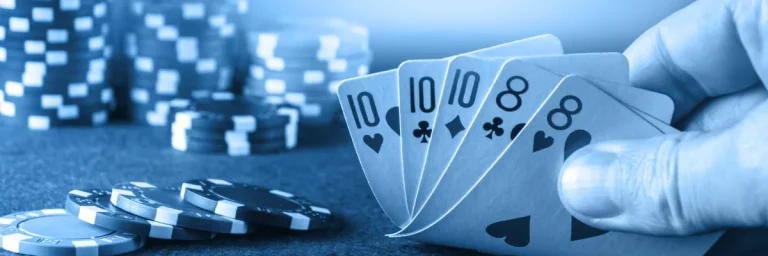
Poker is a game of skill, strategy, and probability. Among the various hands in poker, the full house poker hand stands out as a particularly strong combination.

Phil Ivey is a name that resonates throughout the poker world.
Playing cards are a universal language of games, strategy, and symbolism.

Poker has long fascinated both casual fans and serious players, not just for the thrill of the game but also for the staggering fortunes amassed by its most successful participants.

Poker chips are an integral part of the game, whether you’re playing at a high-stakes casino, hosting a home game or even poker with two people, or participating in a major tournament.

Poker is a game of skill, strategy, and psychology, but at its core lies a simple mechanic that keeps the action moving: the blinds.

Value betting in poker is a cornerstone of profitable play, especially when your goal is to extract the maximum number of chips from your opponents.

Slow play is one of the most intriguing and misunderstood tactics in poker.

Short Deck Poker, also known as Six Plus Hold’em, has rapidly gained popularity in both live and online poker circles.