


 Casino
Full House Poker Hand Ranking & Probability
Poker is a game of skill, strategy, and probability. Among the various hands in poker, the full house poker hand stands out as a particularly strong combination.
May 25, 2026

Poker is a game of skill, psychology, and probability. While luck plays a role in the short term, mastering the game requires dedication, study, and practice. Whether you play online or live, understanding how to become a good poker player over time is a journey of continual learning and self-improvement. This guide breaks down the essential steps, from core fundamentals to advanced strategies, mental resilience, and effective practice techniques. With insights from experienced players and industry authorities like Betpanda, you’ll discover actionable steps to elevate your poker game responsibly.
Every successful poker journey begins with a solid grasp of the game’s basic building blocks. Without this foundation, even the most advanced strategies will fall flat.
To become a good poker player, you must first understand the rules of the variant you’re playing – most commonly Texas Hold’em or Omaha. Each game has its own structure, but all poker games share the same hand rankings:
| Hand Rank | Example | Description |
| Royal Flush | A♠ K♠ Q♠ J♠ 10♠ | Highest straight flush |
| Straight Flush | 9♥ 8♥ 7♥ 6♥ 5♥ | Five consecutive suited cards |
| Four of a Kind | J♦ J♠ J♥ J♣ 7♣ | Four cards of the same rank |
| Full House | 8♣ 8♦ 8♠ 4♣ 4♠ | Three of a kind + a pair |
| Flush | Q♠ 10♠ 7♠ 6♠ 2♠ | Five cards of the same suit |
| Straight | 9♣ 8♦ 7♠ 6♥ 5♠ | Five consecutive cards |
| Three of a Kind | 6♠ 6♥ 6♦ Q♣ 2♠ | Three cards of the same rank |
| Two Pair | A♣ A♠ 7♣ 7♦ 4♥ | Two pairs |
| One Pair | K♠ K♥ 9♦ 8♣ 2♠ | One pair |
| High Card | A♠ J♣ 8♦ 6♣ 3♠ | No combination |
Position refers to where you sit relative to the dealer and determines the order of play. Being “in position” (acting after your opponents) is a powerful advantage. It allows you to gather more information before making decisions, control the size of the pot, and apply pressure when appropriate. Good poker players prioritise playing stronger hands from early positions and widen their range in later positions.
Understanding pot odds is crucial for making profitable decisions. Pot odds compare the current size of the pot to the cost of a contemplated call. For example, if there’s £100 in the pot and your opponent bets £50, you’re getting 3:1 odds. If your chances of improving your hand are better than these odds, calling is mathematically sound.
Basic poker math also includes calculating outs (cards that improve your hand) and using these to estimate your probability of winning. Mastering these fundamentals is the first step in building a strong, profitable poker strategy.
Once you’ve mastered the basics, the next step in learning how to become a good poker player is to develop the core skills that separate casual players from consistent winners.
Not all hands are worth playing. Good players are selective, folding weaker hands and only playing those with strong potential. This discipline is especially important in early positions, where acting first puts you at a disadvantage. As you move closer to the dealer button, you can widen your range and play more hands. Sticking to solid starting hand guidelines helps avoid costly mistakes and keeps you out of tricky situations.
Poker is a game of incomplete information. Learning to read your opponents – both their physical tells in live games and their betting patterns online – can give you a significant edge. Look for patterns: does a player always bet big with strong hands? Do they hesitate before calling? These clues, combined with hand analysis, can help you make better decisions and exploit weaknesses.
Understanding why and how to bet is essential. There are several reasons to bet in poker: to build the pot with strong hands, to protect vulnerable holdings, or to bluff opponents off better hands. Observing and adapting to opponents’ betting patterns – such as frequent continuation bets or sudden aggression – can reveal the strength or weakness of their hands.
Even the best players experience losing streaks. Proper bankroll management ensures you can weather these swings without going broke. A common guideline is to keep at least 20–30 buy-ins for cash games and even more for tournaments, where variance is higher. Set limits, avoid chasing losses, and always play within your means. Responsible bankroll management is a hallmark of successful, long-term poker players.
After mastering core skills, advancing your poker strategy is essential for ongoing improvement and staying ahead of the competition.
Bluffing is an integral part of poker, but it must be used judiciously. The best bluffs are based on your understanding of opponents’ likely holdings and the story your bets tell. Semi-bluffs – betting with a drawing hand that can improve – are often more effective than pure bluffs. Timing is crucial: bluff when the board favours your perceived range, and avoid bluffing against opponents who rarely fold.
Modern poker strategy has shifted from putting opponents on a specific hand to assigning them a range of possible holdings. Understanding poker combos and range-based thinking allows you to make more nuanced decisions. For example, if an opponent raises from early position, their range is likely strong; if they call from the big blind, their range is wider and weaker. Continuously updating your assumptions based on betting actions is key to advanced play.
Your “table image” is how other players perceive you. If you’ve been playing tight, your bets will get more respect; if you’ve been caught bluffing, opponents may call you down lighter. Good players adjust their strategy based on their image, exploiting opponents’ tendencies and expectations. Managing your table image is especially important in online poker, where you may play multiple tables and develop reputations quickly.
Example: Adjusting to Table Dynamics
Suppose you’ve played conservatively for several orbits. Now, a well-timed bluff is more likely to succeed, as your opponents expect you to have a strong hand. Conversely, if you’ve been active and aggressive, tighten up and value-bet your strong hands, as you’re more likely to get paid off.
Advanced strategies like these are what separate strong, adaptable players from those who rely solely on basic tactics.
Poker is as much a mental challenge as a mathematical one. Developing a strong mental game is essential for long-term success and consistent improvement.
Emotional swings – known as “tilt” – can lead to poor decisions and significant losses. Good poker players recognise when emotions are influencing their play and take steps to regain control. Techniques include taking breaks, practising mindfulness, and focusing on the process rather than short-term results. Responsible play means accepting variance and not letting frustration dictate your actions.
Poker often requires making tough decisions with incomplete information. The best players remain calm under pressure, relying on logic, experience, and probability rather than gut feelings or emotions. Developing a routine – such as reviewing the action, considering ranges, and calculating odds – can help you stay focused and make better choices, even in high-stakes situations.
Mistakes are inevitable, but they’re also valuable learning opportunities. After each session, review key hands – especially those where you lost big or felt uncertain. Ask yourself: Did I make the best decision with the information available? Could I have played the hand differently? Keeping a poker journal or discussing hands with peers can accelerate your improvement and prevent repeating costly errors.
Building mental resilience is a gradual process. Experienced players, including those at Betpanda, emphasise the importance of patience, self-reflection, and a long-term perspective. Remember, even the world’s best players face losing streaks – what sets them apart is their ability to bounce back and keep improving.
Consistent practice is the engine of poker improvement. The right mix of study, play, and self-analysis accelerates your journey from novice to skilled player.
Online poker offers the advantage of volume – you can play many hands in a short period, gaining experience quickly. Live poker, on the other hand, provides valuable insights into physical tells, table dynamics, and deeper psychological play. Both formats have their merits; combining them can give you a well-rounded skill set.
Modern poker players leverage a variety of tools to improve their game:
Integrating these resources into your routine can help you identify weaknesses and refine your strategy.
Poker is a solitary pursuit, but learning doesn’t have to be. Joining study groups or online forums allows you to discuss hands, share insights, and learn from others’ experiences. Many successful players credit their growth to collaborative learning and constructive feedback.
A group of players regularly reviews each other’s hand histories, offering different perspectives and challenging assumptions. This collective approach accelerates improvement and keeps motivation high.
By combining structured practice, modern tools, and community support, you can steadily improve your poker skills and adapt to the ever-evolving game landscape.
Becoming a good poker player is a marathon, not a sprint. Sustained success requires planning, self-awareness, and adaptability.
Setting clear, achievable goals keeps you motivated and focused. Goals might include:
Avoid setting goals based solely on short-term results or profit. Focus on process-oriented objectives that drive consistent improvement.
Regularly reviewing your performance is essential for growth. Use hand tracking software or a simple spreadsheet to log your sessions, noting wins, losses, and key hands. Over time, patterns will emerge – both strengths to build on and weaknesses to address.
Example: Tracking Metrics
Metric Description Win rate (bb/100) Big blinds won per 100 hands Voluntarily Put Money In Pot (VPIP) Percentage of hands played Aggression Factor Ratio of bets/raises to calls Session notes Key hands, mistakes, learning points Adapting to Different Game Types Poker offers a variety of formats – cash games, tournaments, sit & gos, and more. Each requires different strategies and mindsets. For example, tournament play demands risk management and survival tactics, while cash games reward deep-stack strategy and patience. Good players adapt their approach to the format and continually seek out new challenges to broaden their skill set.
The best poker players never stop learning. They study new trends, adapt to evolving strategies, and remain open to feedback. Whether you aspire to play recreationally or pursue higher stakes, a commitment to ongoing improvement is the key to long-term success in poker.
By following these steps, embracing responsible play, and committing to continual learning, you can steadily improve your poker skills and enjoy long-term success at the tables, whether playing Bitcoin poker or traditional formats.
The timeline varies. With consistent study and practice, many players start seeing positive results within 6–12 months. However, true mastery and consistent profitability can take years. Focus on steady improvement rather than quick wins.
Both formats offer unique challenges. Cash games provide more flexibility and consistent learning opportunities, while tournaments require different risk management and survival strategies. Beginners often find cash games a better starting point, but it’s beneficial to try both and see which suits your style.
A common guideline is to have at least 20–30 buy-ins for cash games and 50–100 buy-ins for tournaments. This helps manage variance and avoid going broke during inevitable downswings. Always play within your means and practice responsible bankroll management.
Online poker allows you to play more hands and learn quickly, while live games teach valuable social and psychological skills. Ideally, combine both to become a well-rounded player.

Poker is a game of skill, strategy, and probability. Among the various hands in poker, the full house poker hand stands out as a particularly strong combination.

Phil Ivey is a name that resonates throughout the poker world.
Playing cards are a universal language of games, strategy, and symbolism.

Poker has long fascinated both casual fans and serious players, not just for the thrill of the game but also for the staggering fortunes amassed by its most successful participants.

Poker chips are an integral part of the game, whether you’re playing at a high-stakes casino, hosting a home game or even poker with two people, or participating in a major tournament.

Poker is a game of skill, strategy, and psychology, but at its core lies a simple mechanic that keeps the action moving: the blinds.

Value betting in poker is a cornerstone of profitable play, especially when your goal is to extract the maximum number of chips from your opponents.

Slow play is one of the most intriguing and misunderstood tactics in poker.
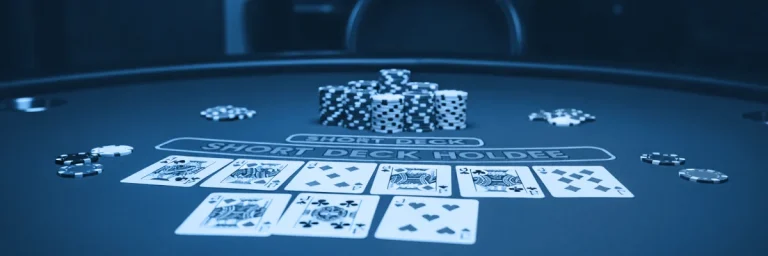
Short Deck Poker, also known as Six Plus Hold’em, has rapidly gained popularity in both live and online poker circles.