


 Casino
Full House Poker Hand Ranking & Probability
Poker is a game of skill, strategy, and probability. Among the various hands in poker, the full house poker hand stands out as a particularly strong combination.
May 25, 2026

Poker is a game of skill, strategy, and psychology, but at its core lies a simple mechanic that keeps the action moving: the blinds. Whether you’re playing online at a Binance coin casino like Betpanda or sitting at a live table, understanding how do blinds work in poker is crucial to mastering the game. This article explores the mechanics, purpose, and strategic implications of blinds, and discovering the best way to learn poker starts with understanding why they are a fundamental part of every serious poker variant.
Blinds are mandatory bets made before any cards are dealt in most poker games, especially in popular variants like Texas Hold’em and Omaha. They are called “blinds” because the players posting them must do so without seeing their cards, effectively betting “blind.” There are typically two types of blinds: the small blind and the big blind.
This system ensures that there is always money in the pot to play for, incentivising action from the very first hand.
The primary purpose of blinds is to stimulate betting and prevent players from endlessly folding until they receive a premium hand. Without blinds, players could simply wait for the best possible cards, leading to a slow and uneventful game. By requiring two players to post forced bets, blinds create immediate stakes and encourage engagement.
While both blinds and antes are forced bets, they differ in their application:
Understanding these distinctions is essential for anyone learning poker blinds explained in detail.
Blinds are not static; they rotate and can increase depending on the game format. This dynamic structure is a core part of how blinds function in poker and shapes the flow of every hand.
After each hand, the dealer button moves one seat clockwise, meaning the small and big blinds also shift. This rotation ensures that every player at the table contributes equally over time, preventing any single player from being unfairly taxed or exempt.
| Hand Number | Dealer Button | Small Blind | Big Blind |
| 1 | Player A | Player B | Player C |
| 2 | Player B | Player C | Player D |
| 3 | Player C | Player D | Player E |
This constant movement is vital for fairness and keeps the game balanced.
In tournament poker, the blind structure is designed to escalate over time. Blinds increase at set intervals (e.g., every 15 or 20 minutes), forcing players to take action rather than wait for premium hands. This escalation is known as the “blind level.”
| Level | Small Blind | Big Blind |
| 1 | 100 | 200 |
| 2 | 200 | 400 |
| 3 | 300 | 600 |
As the blinds rise, the pressure on chip stacks grows, making strategic decision-making even more important.
In cash games, the blinds remain constant unless the table agrees to change them. For example, a £1/£2 cash game will always have a small blind of £1 and a big blind of £2. This consistency allows for deeper strategy and less urgency compared to tournament play.
The dealer button is a marker that determines the order of play and the blind positions. In online poker, the software automatically moves the button, but in live games, it is physically passed around the table. The button’s movement ensures all players experience each position equally, including the blinds.
Understanding the importance of blinds in poker goes beyond simply knowing where to put your chips. Blinds fundamentally shape the strategy, pace, and psychology of the game.
Blinds force players to contribute to the pot, ensuring there is always something to play for. Without this mechanism, games would become stagnant, with players folding until they receive strong hands. The presence of blinds compels players to make decisions, take risks, and engage in the action.
Blinds affect every aspect of table dynamics:
This dynamic is particularly evident in online poker rooms where understanding how poker tournaments work matters, and at crypto casinos like Betpanda, where table sizes and blind structures can vary widely.
The position of the blinds is crucial in shaping your strategy:
Blinds introduce psychological pressure. Knowing you will have to post a blind soon can influence your decisions in previous hands, encouraging more proactive play. This element is especially pronounced in tournament poker, where rising blinds can quickly erode a passive player’s stack.
While both blinds serve a similar purpose, the big blind and small blind positions are distinct in terms of cost, position, and strategic options. Understanding these differences is essential for developing a solid blinds strategy in poker.
Both blinds are considered “out of position” after the flop, meaning you must act before most other players. This lack of information makes post-flop play more challenging and requires careful hand selection and aggression control.
When the action folds to the blinds, a unique dynamic occurs. “Blind vs blind” play is highly strategic, as both players have invested chips and are often playing with weaker hands. Understanding your opponent’s tendencies and adjusting your aggression level is key to success in these situations.
The size of the blinds relative to your stack (known as “effective stack size”) is a crucial factor in tournament strategy. As blinds increase, short stacks are forced to act, leading to more all-in situations and higher variance.
Tournament poker introduces additional layers of complexity to the blind structure. Unlike cash games, where blinds remain constant, tournament blinds increase at regular intervals, fundamentally altering the dynamics of play.
In a typical tournament, the blinds start low relative to the starting stack but increase steadily. This escalation serves several purposes:
In later stages of tournaments, antes are often introduced alongside blinds. Antes are small forced bets paid by every player each hand, further increasing the pot size and pressure to act.
Managing your stack relative to the blinds is a critical tournament skill. Key concepts include:
As the tournament approaches the payout “bubble,” the pressure from escalating blinds intensifies. Players must balance the risk of elimination with the reward of reaching the money, making blind management even more vital.
Platforms like Betpanda offer crypto poker tournaments with unique blind structures and fast-paced formats. Instant crypto transactions ensure you can join or cash out quickly, while anonymous play lets you focus on strategy without distractions.
Developing a solid blinds strategy in poker can significantly improve your results, whether you’re playing cash games or tournaments. Here are key tips for handling the blinds effectively.
While mastering blinds strategy can improve your game, always play responsibly. Set limits, manage your bankroll, and remember that poker is a game of probabilities, not certainties.
Knowing how to calculate poker blinds and understanding their impact is essential for both beginners and experienced players. This knowledge allows you to make informed decisions, manage your stack, and adapt to changing game conditions.
In cash games, blinds are fixed and displayed as two numbers (e.g., £1/£2). The first number is the small blind, and the second is the big blind.
Your minimum buy-in is often set at 50–100 times the big blind, ensuring enough chips for meaningful play.
Tournament blinds start low and increase at regular intervals. The tournament structure sheet will list each level’s small and big blind amounts and the time between increases.
| Level | Small Blind | Big Blind | Duration (mins) |
| 1 | 100 | 200 | 20 |
| 2 | 200 | 400 | 20 |
| 3 | 300 | 600 | 20 |
Your stack size relative to the blinds determines your options:
As blinds increase, the pressure on all players rises. Those with smaller stacks must act or risk being eliminated by the “blinds and antes” eating away at their chips.
On crypto platforms like Betpanda, blind levels and buy-ins are often displayed in cryptocurrency units (e.g., mBTC, ETH). The same principles apply, but always double-check the value to manage your bankroll effectively.
Understanding how blinds work in poker, and why they matter, is foundational for any player. Whether you’re playing for fun or aiming to improve your strategy at Betpanda or elsewhere, mastering blinds will help you make smarter, more confident decisions at the table. Always play responsibly and enjoy the game.
The small blind is a mandatory bet placed by the player directly left of the dealer button, usually half the size of the big blind. The big blind, posted by the next player left, is the minimum bet for that round. Both ensure there’s always money in the pot.
Blinds drive the action by forcing players to contribute chips before seeing their cards. This prevents endless folding and keeps the game moving at a steady pace.
After each hand, the dealer button and blinds move one seat clockwise. This rotation ensures all players contribute equally over time.
Tournament blinds start low and increase at set intervals, creating escalating pressure and encouraging active play. Managing your stack relative to the blinds is crucial for survival.
Blinds are posted by two players each hand, while antes are small bets posted by every player. Both are used to build the pot and encourage action, but their application and timing differ.
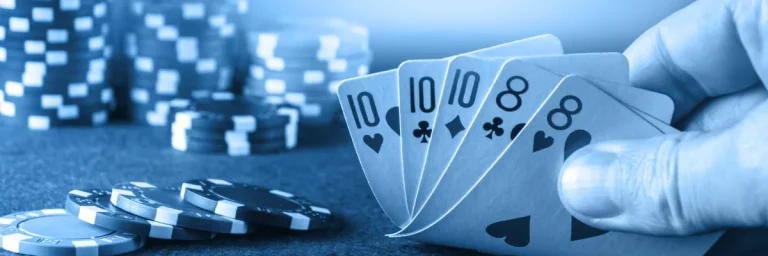
Poker is a game of skill, strategy, and probability. Among the various hands in poker, the full house poker hand stands out as a particularly strong combination.

Phil Ivey is a name that resonates throughout the poker world.
Playing cards are a universal language of games, strategy, and symbolism.

Poker has long fascinated both casual fans and serious players, not just for the thrill of the game but also for the staggering fortunes amassed by its most successful participants.

Poker chips are an integral part of the game, whether you’re playing at a high-stakes casino, hosting a home game or even poker with two people, or participating in a major tournament.

Poker is a game of skill, strategy, and psychology, but at its core lies a simple mechanic that keeps the action moving: the blinds.

Value betting in poker is a cornerstone of profitable play, especially when your goal is to extract the maximum number of chips from your opponents.

Slow play is one of the most intriguing and misunderstood tactics in poker.
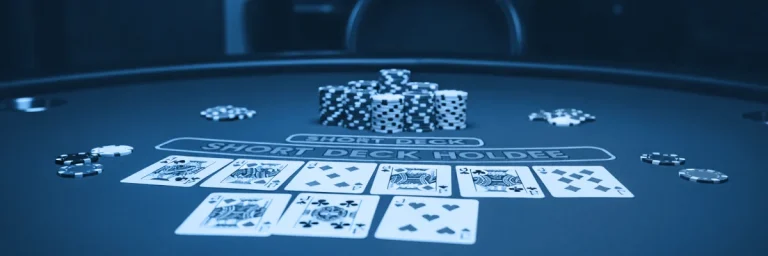
Short Deck Poker, also known as Six Plus Hold’em, has rapidly gained popularity in both live and online poker circles.