


 Casino
Full House Poker Hand Ranking & Probability
Poker is a game of skill, strategy, and probability. Among the various hands in poker, the full house poker hand stands out as a particularly strong combination.
May 25, 2026
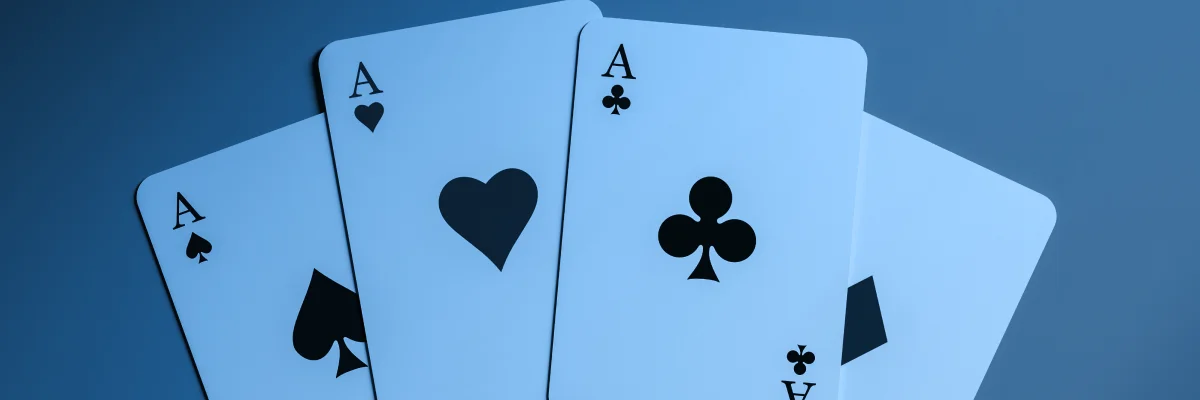
Playing cards are a universal language of games, strategy, and symbolism. Whether you’re enjoying a casual game with friends or diving into the world of online casinos like Betpanda, the playing cards symbols on each card carry a rich history and deeper meaning. This article explores the origins, interpretations, and cultural significance of playing cards symbols, offering insight into why these simple icons have fascinated people for centuries.
The story of playing cards begins in ancient civilisations, with roots stretching back to China’s Tang Dynasty in the 9th century. From there, playing cards travelled westward, evolving through India, Persia, and Egypt before arriving in Europe in the late Middle Ages. As cards spread, so did the designs and playing cards symbols, each adapting to the culture and context of their new homes.
The four suits we recognise today – hearts, diamonds, clubs, and spades – emerged in France during the 15th century. Each suit replaced earlier symbols found in Italian and Spanish decks. The French designs became standard due to their simple shapes, which were easier to reproduce with early printing methods.
These suits, known as “French suits,” quickly spread across Europe and became the global standard.
Early playing cards often featured intricate artwork and regional symbols. For example, German decks used acorns and bells, while Italian cards displayed swords and cups. Over time, the French suits became dominant, but the meanings of playing cards and their symbols continued to evolve.
The journey of playing card symbols reflects a blend of art, history, and social structure. Today, these playing cards symbols are not just decorative – they carry centuries of meaning and tradition, making every deck a small piece of cultural heritage.
Understanding the meanings of playing cards goes beyond the rules of the game. Each suit carries its own symbolism, often reflecting aspects of society, human experience, and even fortune-telling traditions.
Hearts are universally recognised as a symbol of love, emotion, and relationships. In card games, the heart suit often represents matters of the heart – affection, joy, and sometimes sorrow. In fortune-telling, hearts can indicate emotional experiences, family matters, and personal connections.
Diamonds symbolise material wealth, ambition, and the pursuit of success. This suit is linked to commerce, prosperity, and the drive for achievement. In many games, diamonds are associated with financial stakes, while in card readings, they can point to career, money, and practical concerns.
The club suit, depicted as a three-leafed clover, represents growth, action, and creativity. Clubs are often associated with agriculture, vitality, and enterprise. In cartomancy (card reading), clubs can signal opportunities, challenges, and the energy needed to overcome obstacles.
Spades are often seen as the most serious suit, symbolising wisdom, power, and sometimes adversity. The spade’s shape derives from a spear or pike, linking it to military might and authority. In readings, spades can indicate challenges, decisions, and the need for resilience.
| Suit | Symbolism | Traditional Association |
| Hearts | Emotion, love, family | Clergy, relationships |
| Diamonds | Wealth, ambition | Merchants, commerce |
| Clubs | Growth, action, energy | Peasantry, agriculture |
| Spades | Power, wisdom, adversity | Nobility, military |
The meanings of playing cards are woven into the fabric of many cultures, making each suit more than just a game piece – they are symbols of life’s many facets.
Beyond the suits, playing cards feature court cards – Kings, Queens, and Jacks (sometimes known as Knaves). These face cards add personality and hierarchy to the deck, each with its own story and symbolism.
Kings are the highest-ranking court cards, representing authority, leadership, and mastery. Each King embodies the qualities of its suit:
Queens symbolise nurturing, influence, and intuition. They often represent the feminine aspect of their suit:
Jacks are the youthful, energetic members of the court. They represent action, curiosity, and the drive to achieve:
The court cards have inspired countless interpretations, from historical figures to literary characters. In some traditions, each card is linked to a real or mythical person, adding layers of meaning to every hand dealt.
While playing cards are best known for their role in games of chance and skill, their symbols have found meaning in art, literature, and even divination. The simple designs of the suits and court cards have inspired everything from tattoos to tarot.
Artists and writers have long been fascinated by the symbolism in playing cards. The suits often appear as metaphors for life’s challenges and triumphs, while the court cards can represent archetypes or personalities. In literature, playing cards have been used to explore themes of fate, luck, and human nature.
Cartomancy, or fortune-telling with playing cards, dates back hundreds of years. Each card is believed to carry a specific meaning, influenced by its suit and rank. For example:
These interpretations vary by tradition and reader, but they add another layer to the meanings of playing cards.
In modern online casinos like Betpanda, the symbols of playing cards remain central to popular games such as blackjack, poker, and baccarat, and even crypto coin symbols draw on similar traditions of visual shorthand. While the focus is on entertainment and strategy, the rich symbolism of each card adds depth to the experience.
Understanding the symbolism in playing cards can enhance your appreciation of the game, and for those wondering is counting cards hard, the answer depends on the game and the strategy involved. It’s important to remember that outcomes are based on chance and probability. Responsible play is always encouraged.
While the suits and court cards capture much of the attention, the numbered cards and aces also hold symbolic meaning. Each number, from two to ten, carries associations that can influence both gameplay and interpretation.
The numbered cards often represent stages of progress, challenges, or opportunities within the context of their suit. For example:
These meanings are often used in cartomancy and can add an extra layer of understanding for those interested in the symbolic side of playing cards.
Aces are unique in that they can be both the highest and lowest cards in many games. Symbolically, aces represent beginnings, potential, and opportunity. Each ace carries the essence of its suit:
The ace’s dual nature – both one and eleven in some games – reflects its role as a card of possibility and transition.
Many decks feature subtle variations in the artwork of numbered cards and aces, sometimes including hidden symbols or unique designs, much like the variety found in free online scratch cards where visual themes play a key role. This attention to detail highlights the ongoing creativity within the world of card design.
Playing cards have left a lasting mark on cultures around the world. Their symbols have been adopted in art, fashion, and even language, reflecting their universal appeal and adaptability.
From classic films to contemporary music, playing cards symbols appear as motifs representing luck, fate, and the unpredictability of life. The “ace up your sleeve” or “queen of hearts” are phrases that have entered everyday language, illustrating the deep cultural resonance of these icons.
Today, artists and designers continue to reinterpret playing card symbols, creating decks that reflect everything from pop culture to political commentary. Limited-edition decks often feature new takes on traditional suits, while online gaming platforms like Betpanda offer digital versions that blend classic symbolism with modern technology.
In the digital age, playing cards remain central to many popular casino games. The symbols and meanings add a sense of tradition and continuity, even as technology transforms the way we play. Online platforms prioritise privacy, security, and responsible play, ensuring that the enjoyment of these timeless symbols continues in a safe and engaging environment.
While the symbolism of playing cards can add depth to your gaming experience, it’s important to approach games with a sense of fun and awareness. Understanding the history and meaning behind the cards can enrich your appreciation, but outcomes are always a matter of probability.
Playing cards symbols are more than just designs – they are a bridge between history, culture, and entertainment. Whether you’re playing for fun or exploring the deeper meanings, these symbols continue to captivate and inspire players around the world.
The four suits – hearts, diamonds, clubs, and spades – originated in France and symbolise different aspects of society: hearts for emotion and relationships, diamonds for wealth and ambition, clubs for growth and action, and spades for wisdom and power.
Playing cards symbols evolved from historical and cultural influences, with each suit and card reflecting aspects of medieval society, art, and even fortune-telling traditions. Over time, these meanings became woven into the fabric of games and popular culture.
No, the meanings can vary by region and tradition. For example, German and Italian decks use different symbols, and interpretations in cartomancy or fortune-telling can differ widely.
The ace often represents beginnings, potential, and opportunity. It can be the highest or lowest card, symbolising both the start and culmination of a journey.
Knowing the history and symbolism behind playing cards can add depth and enjoyment to your games. It provides context and appreciation for the traditions that shape the cards we use today.
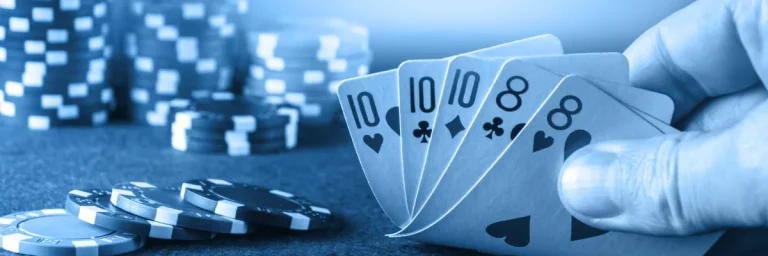
Poker is a game of skill, strategy, and probability. Among the various hands in poker, the full house poker hand stands out as a particularly strong combination.
Phil Ivey is a name that resonates throughout the poker world.
Playing cards are a universal language of games, strategy, and symbolism.
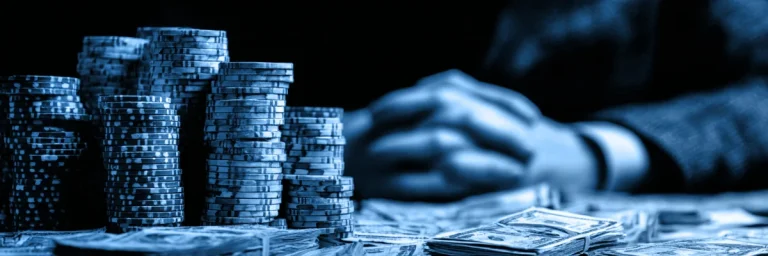
Poker has long fascinated both casual fans and serious players, not just for the thrill of the game but also for the staggering fortunes amassed by its most successful participants.
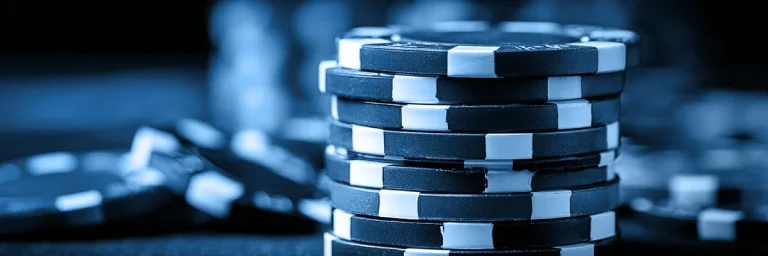
Poker chips are an integral part of the game, whether you’re playing at a high-stakes casino, hosting a home game or even poker with two people, or participating in a major tournament.
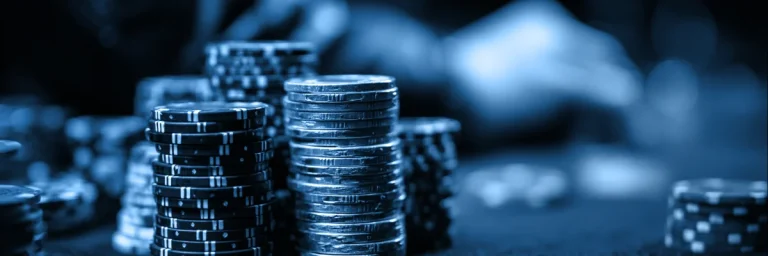
Poker is a game of skill, strategy, and psychology, but at its core lies a simple mechanic that keeps the action moving: the blinds.

Value betting in poker is a cornerstone of profitable play, especially when your goal is to extract the maximum number of chips from your opponents.
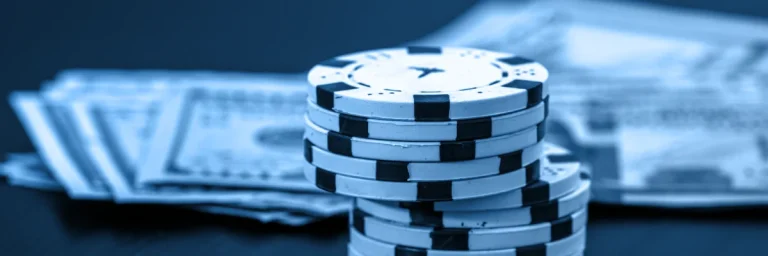
Slow play is one of the most intriguing and misunderstood tactics in poker.
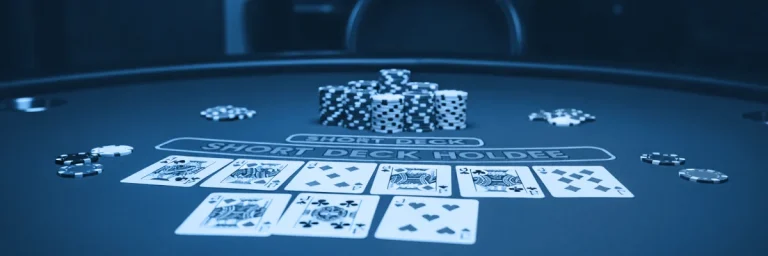
Short Deck Poker, also known as Six Plus Hold’em, has rapidly gained popularity in both live and online poker circles.