


 Casino
Full House Poker Hand Ranking & Probability
Poker is a game of skill, strategy, and probability. Among the various hands in poker, the full house poker hand stands out as a particularly strong combination.
May 25, 2026
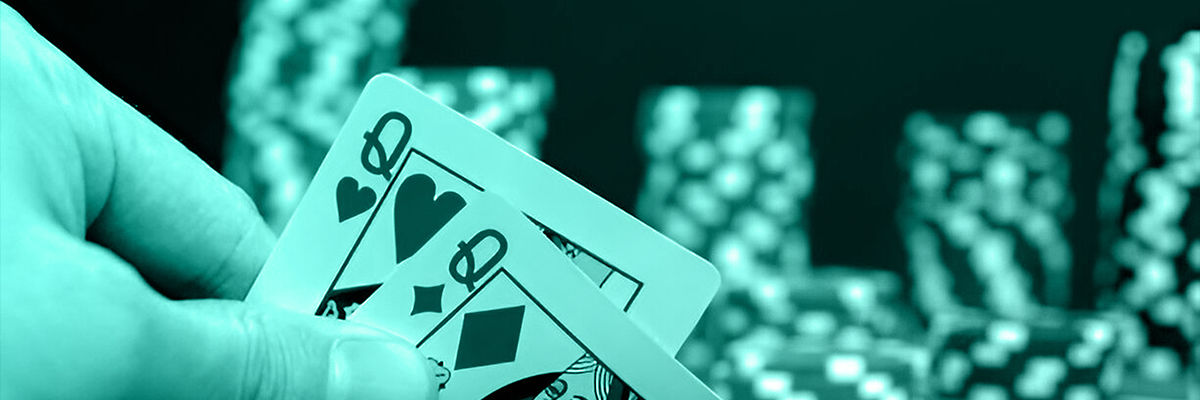
Poker is more than just a game of chance — it’s a battle of skill, discipline, and strategic thinking. Among the many poker variations, this format has gained popularity because of its depth and complexity. Unlike Texas Hold’em, players receive four hole cards, opening up far more possible combinations. While this makes the game exciting, it also demands a carefully planned Omaha poker strategy.
Whether you’re playing casually at home or competing in a bitcoin casino no verification environment, understanding Omaha is the first step toward consistent success. This article explores the essentials of winning play, advanced techniques, and the most common mistakes to avoid when shaping your personal approach.
The rules may appear similar to Hold’em, but Omaha introduces unique challenges. Players must use exactly two of their four hole cards, combined with three community cards, to build their hand. As a result, hand values run higher and variance increases. Q5: How do pot odds influence play?
In practice, this means a top pair or even two pairs — hands that often hold in Hold’em — rarely survive showdowns in Omaha. A solid Omaha poker strategy demands patience, critical analysis, and the discipline to fold hands that look strong on the surface but are statistically weak.
Developing an effective plan begins with three key principles:
If you’re new to the game, building your Omaha poker strategy on these fundamentals will help reduce costly errors.
Because Omaha deals four hole cards, it’s easy to think that almost any hand has potential. This assumption leads to one of the most common beginner mistakes: playing too many starting hands.
A profitable Omaha poker strategy is built on strong starting ranges. High pairs with backup cards, double-suited connectors, and coordinated cards that can make multiple straight or flush possibilities are generally the most profitable.
Weak, disconnected, or rainbow hands, by contrast, often lead to expensive losses. Think of starting hands as the foundation of your long-term profitability — without a strong base, you’ll struggle to build success.
In Omaha, position isn’t just useful — it’s critical. Acting last allows you to see how your opponents play their hands and react accordingly. A strong Omaha poker strategy uses position to apply pressure, maximize value, and reduce risk.
When you’re in early position, you face the challenge of acting without complete information, often making post-flop decisions more difficult. Late position, on the other hand, gives you the opportunity to exploit weak leads, control the pot, and apply aggression when opponents hesitate.
For this reason, even marginal hands become playable in later positions, while premium hands gain exponential value when you act last.
Since the game generates so many draws, calculating pot odds and understanding equity is at the heart of effective play. Knowing whether to call, fold, or raise depends largely on whether your hand has the right mathematical justification to continue.
For instance, a hand that offers both a flush draw and a straight draw can carry 40% equity or more, making aggressive play profitable. A disciplined Omaha poker strategy prioritizes investing in such strong draws while folding weaker, easily dominated combinations.
Bluffing has its place in Omaha, but far less so than in Hold’em. With more hole cards in play, opponents frequently hold strong draws that make calling worthwhile.
However, bluffing remains an important part of a balanced Omaha poker strategy. Well-timed bluffs often succeed when representing completed straights or flushes that fit the board texture. Semi-bluffing — betting aggressively with strong draws — is another tool that forces opponents into tough decisions.
The key is control. Over-bluffing will quickly drain your bankroll in this format.
Even experienced poker players stumble when transitioning to this variant. Here are frequent pitfalls to watch for:
By steering clear of these errors, your Omaha poker strategy becomes more consistent and profitable.
After mastering the basics, advanced strategies can elevate your results. A well-rounded Omaha poker strategy should include:
This kind of flexible approach is what separates consistent winners from average players. For those who enjoy testing these skills under pressure, real-time platforms like a live crypto casino offer opportunities to practice against diverse opponents.
While the core concepts focus on mathematics and probability, Omaha also tests emotional control. Remaining calm during swings, avoiding tilt, and maintaining patience are just as vital as calculating odds.
Here, an Omaha card game strategy isn’t purely about the cards but also about discipline and mindset. Successful players approach the game as a long-term challenge, focusing on steady improvement and avoiding the temptation of short-term risks.
Omaha is one of the most dynamic forms of poker. With more possible hand combinations and higher variance, it challenges players to think strategically at every stage. A strong Omaha poker strategy requires discipline, intelligent hand selection, careful equity analysis, and precise use of position.
By avoiding common traps and embracing both the mathematical and psychological sides of the game, you’ll steadily improve your results. BetPanda Casino, for instance, provides an engaging environment where players can test their skills in Omaha and beyond. Whether you’re learning the ropes or refining advanced tactics, the game rewards patience, focus, and adaptability.
And if you want to diversify your gameplay, explore other options like Video Poker betpandacasino.io — another exciting way to challenge your poker instincts. With the right mindset and a carefully planned strategy for Omaha poker, success is always within reach.
Omaha deals four hole cards instead of two, and players must use exactly two. This increases complexity and requires a unique approach.
Because more combinations are possible, choosing the right starting hands directly impacts long-term profitability.
Bluffing works selectively, particularly when representing completed draws. However, over-bluffing is risky.
Overvaluing hands like top pair or two pairs, which often lose at showdown.
They guide whether you should continue with a hand based on potential returns versus the cost of calling.
Position is critical — acting later allows you to control the pace and gather more information before making decisions.
Yes, many platforms, including BetPanda Casino, offer Omaha tables for both practice and real-money play.
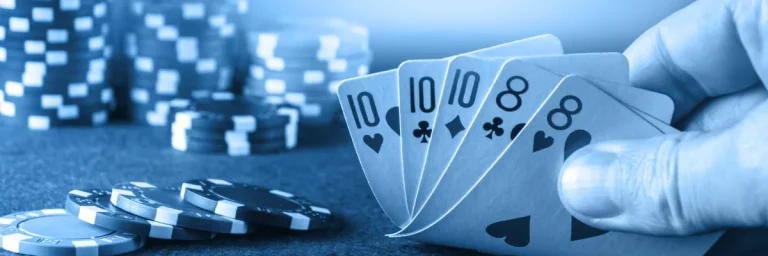
Poker is a game of skill, strategy, and probability. Among the various hands in poker, the full house poker hand stands out as a particularly strong combination.

Phil Ivey is a name that resonates throughout the poker world.
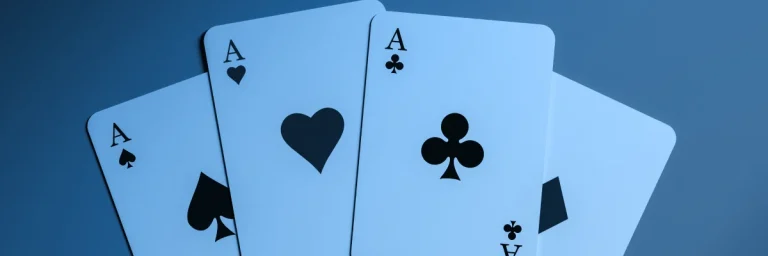
Playing cards are a universal language of games, strategy, and symbolism.
Poker has long fascinated both casual fans and serious players, not just for the thrill of the game but also for the staggering fortunes amassed by its most successful participants.

Poker chips are an integral part of the game, whether you’re playing at a high-stakes casino, hosting a home game or even poker with two people, or participating in a major tournament.
Poker is a game of skill, strategy, and psychology, but at its core lies a simple mechanic that keeps the action moving: the blinds.

Value betting in poker is a cornerstone of profitable play, especially when your goal is to extract the maximum number of chips from your opponents.
Slow play is one of the most intriguing and misunderstood tactics in poker.
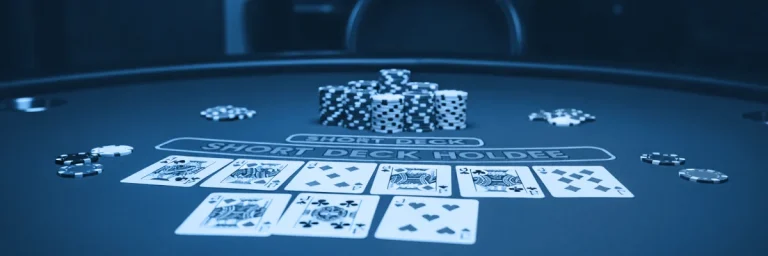
Short Deck Poker, also known as Six Plus Hold’em, has rapidly gained popularity in both live and online poker circles.