


 Casino
Full House Poker Hand Ranking & Probability
Poker is a game of skill, strategy, and probability. Among the various hands in poker, the full house poker hand stands out as a particularly strong combination.
May 25, 2026

If you’re starting your poker journey, you’ve probably heard the term GTO Poker thrown around in strategy discussions. While mastering this strategy takes time, beginners can start by understanding the fundamentals and gradually applying them at the tables.
In this guide, we’ll break down the essentials of this version of poker, explain why it matters, and show you how to begin incorporating it into your play. Whether you’re playing casually with friends or on platforms like casino online Betpanda, understanding GTO Poker will elevate your game and help you play smarter, not just harder.
The first step in any beginner’s guide to this kind of poker is defining what it actually means. The acronym stands for Game Theory Optimal, a mathematical model that finds the “perfect balance” in your strategy.
In simple terms, GTO poker is about playing a style where your betting, bluffing, and folding frequencies are perfectly balanced. This prevents your opponents from identifying patterns or exploiting weaknesses. Unlike purely exploitative play, which focuses on exploiting other players’ mistakes, this version ensures you’re always protected against strong opponents, even if they know your strategy.
Many new players ask: what is GTO in poker and why does it matter? The answer is simple: it keeps your game unexploitable. While you can still adapt and exploit weaker players, having a foundation ensures you’re always on solid ground.
Most casual poker players adopt a reactive approach, folding when pressured, calling too often, or bluffing inconsistently. Game Theory Optimal, however, introduces structure.
This doesn’t mean it’s always the most profitable way to play. Against weaker opponents, exploitative play (taking advantage of their mistakes) can yield better results. But understanding GTO poker gives you a reliable baseline you can adapt from.
To start applying this strategy effectively, it helps to break it down into a few core principles. These basics will give you a foundation to build on as you develop your skills and confidence at the table:
Hand Ranges Instead of Specific Hands
Rather than putting your opponent on one exact holding, think in terms of ranges,a collection of possible hands they could have. The goal is to balance your own ranges so you’re not easily predictable.
Bet Sizing and Frequency
Bet sizing and frequency play a fundamental role in your strategy. For example, you might continuation bet (c-bet) on the flop 70% of the time with certain hands and check the remaining 30%. Sticking to these frequencies keeps your play balanced.
Bluffing Ratios
Bluffing is an essential part of poker, but it should be done proportionally. The ratio of bluffs to value bets needs to be carefully structured so that opponents can’t exploit you.
Pot Odds and Equity
Every decision involves weighing the size of the pot against the strength of your hand and your chances of improving. This mathematical approach ensures that calls and folds are made on solid ground.
Together, these principles form the backbone of GTO poker, giving you a framework to make consistent and balanced decisions at the table.
To better understand this strategy, let’s consider a few simple examples.
Example 1: Preflop Play
Suppose you’re in the small blind and face a raise from the button. Instead of deciding randomly whether to 3-bet or call, charts and ranges can guide you. This prevents you from being overly aggressive with strong hands or too passive with weaker ones.
Example 2: Bluffing Frequency
Imagine betting big on the river with value hands 70% of the time. To stay balanced, you should also bluff around 30% of the time. This ratio keeps opponents uncertain about whether they should call or fold.
Example 3: Defending the Big Blind
When facing frequent raises, mathematical ranges help determine the correct percentage of hands to defend. Even holdings like suited connectors or small pairs may be included to avoid folding too often.
By practicing these principles, you’ll start to recognize balanced decisions in real hands rather than guessing.
Learning this model can feel intimidating because it involves math and abstract thinking. But you don’t need to be a math wizard to get started. Here’s a beginner-friendly roadmap:
By combining practice, study, and patience, you’ll steadily learn how to learn poker GTO effectively.
The difference between confusion and clarity, for any beginner, often lies in having the right resources. Here are some essentials:
The key is not to overwhelm yourself. Start small, maybe with free charts, and then gradually move to solvers as you gain confidence.
One reason many players are drawn to poker is its skill element. Unlike pure luck-based games, poker combines chance with long-term strategy.
For example, if you compare baccarat vs poker, the difference is striking. Baccarat is a game almost entirely based on luck, where optimal strategy is limited. Poker, however, allows players to influence outcomes through decisions rooted in math, psychology, and strategy. That’s why GTO poker has become so important, it adds structure and depth to the game, ensuring long-term success against skilled opponents.
Studying GTO is only half the battle. The real test comes when you sit at the table. Here are tips for applying what you’ve learned:
By slowly integrating theory into your gameplay, you’ll find that your decisions become more natural and less stressful.
When trying to apply this model, many new players fall into the same traps:
Avoiding these mistakes will make your learning curve smoother and help you build a strong foundation.
Poker may sound advanced when approached through theory, but beginners can absolutely start building the fundamentals today. By learning hand ranges, balancing bluffing frequencies, and understanding pot odds, you’ll become a more disciplined and less predictable player.
Remember, the goal isn’t perfection, it’s balance. You don’t need to follow strategy rigidly in every hand but using it as a baseline will protect you against skilled opponents while still allowing you to exploit mistakes when they arise.
Whether you’re practicing online, studying with solvers, or simply playing casually at Betpanda Casino, focusing on these principles will sharpen your decision-making and improve your long-term results. As you advance, you’ll also learn how to adjust to different opponents and situations while staying rooted in solid fundamentals.
So, the next time you sit at the table, keep GTO poker in mind. Think in terms of ranges, balance your bets, and remember the importance of poker combos in shaping your overall game. With time, practice, and study, you’ll be on your way to becoming a formidable player.
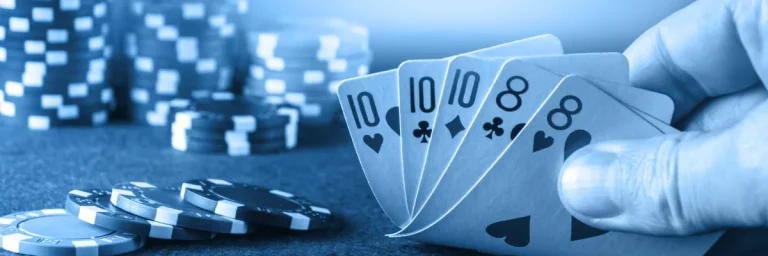
Poker is a game of skill, strategy, and probability. Among the various hands in poker, the full house poker hand stands out as a particularly strong combination.

Phil Ivey is a name that resonates throughout the poker world.
Playing cards are a universal language of games, strategy, and symbolism.

Poker has long fascinated both casual fans and serious players, not just for the thrill of the game but also for the staggering fortunes amassed by its most successful participants.

Poker chips are an integral part of the game, whether you’re playing at a high-stakes casino, hosting a home game or even poker with two people, or participating in a major tournament.

Poker is a game of skill, strategy, and psychology, but at its core lies a simple mechanic that keeps the action moving: the blinds.

Value betting in poker is a cornerstone of profitable play, especially when your goal is to extract the maximum number of chips from your opponents.

Slow play is one of the most intriguing and misunderstood tactics in poker.
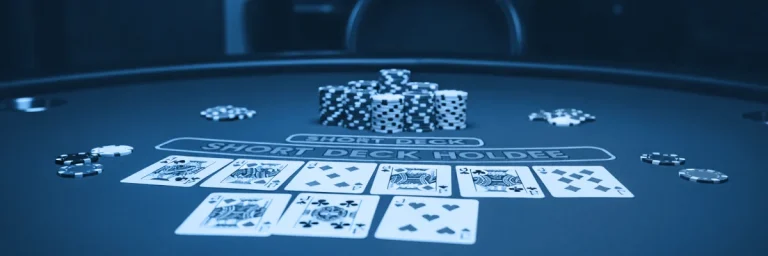
Short Deck Poker, also known as Six Plus Hold’em, has rapidly gained popularity in both live and online poker circles.