


 Casino
Full House Poker Hand Ranking & Probability
Poker is a game of skill, strategy, and probability. Among the various hands in poker, the full house poker hand stands out as a particularly strong combination.
May 25, 2026

Understanding the nuances of poker is essential for both new and experienced players. One of the most fundamental actions in the game is the “check.” But what does check mean in poker, and how can it impact your overall strategy? This article explores the definition, strategic uses, common errors, advanced concepts, and how checking varies across poker variants. Whether you’re playing poker with BTC at an anonymous crypto casino like Betpanda or at your local card room, mastering the check is crucial for responsible and effective play.
In poker, to “check” means to decline the opportunity to bet when it is your turn, but still remain in the hand. Checking is only possible if no bet has been made in the current betting round. If another player has already bet, you must either call, raise, or fold – checking is not an option in that scenario. The check is a core part of poker terminology and serves as a passive action, allowing you to pass the decision to the next player without committing any chips to the pot.
You can check in poker only when there is no active bet during the current round. For instance, after the initial deal in Texas Hold’em, if you are the big blind and no one raises, you may check to see the flop for free. However, if someone has bet, you must respond by calling, raising, or folding. Understanding when to check is crucial, as it can affect the flow of the hand and your ability to control the pot size.
| Scenario | Can You Check? |
| No bet before your turn | Yes |
| Previous player has bet | No |
| You are first to act, pre-flop | Yes |
| You are in the big blind, unraised | Yes |
In live poker, checking is typically indicated by tapping the table in front of you with your hand or fingers. This gesture is universally recognised and prevents confusion at the table. Alternatively, you may say “check” aloud to clarify your intention. In online poker, clicking the “Check” button serves the same purpose. Always ensure your action is clear to avoid misunderstandings, as ambiguous gestures can lead to disputes or penalties.
Understanding the check in poker meaning is foundational for every player. It allows you to stay in the hand without increasing your risk, but knowing when and how to use it is key to effective play.
One of the most powerful moves involving a check is the check-raise. This advanced tactic involves checking when it’s your turn, hoping that an opponent will bet. Once they do, you respond by raising their bet. The check-raise is a way to manipulate the pot size and extract more value from strong hands, or to bluff opponents off their hands. However, this move requires careful timing and a solid understanding of your opponents’ tendencies.
Your position at the table significantly influences when and why you might check. Players in early position often check to avoid building a large pot with a marginal hand or to gather information about the strength of their opponents’ holdings. Conversely, checking in late position can be a strategic way to control the pot size or induce bluffs from aggressive players acting after you.
“Checking behind” refers to the last player in a betting round choosing to check when all previous players have also checked. This is often a defensive move, especially with hands that have showdown value but are not strong enough to bet for value. Checking behind can also be used to induce bluffs on later streets or to avoid building a large pot with a vulnerable hand.
Understanding how to check in poker and when to use strategic checking can make the difference between a winning and losing session. It’s not just about passing the action – it’s a tool for information gathering, pot control, and deception.
One of the most common poker mistakes, especially among beginners, is checking too often. While checking can be a safe option, overusing it can make you predictable and allow opponents to exploit your passivity. If you always check when you have a weak hand or the worst hand in poker, observant players will start betting aggressively to push you off pots.
Another frequent error is missing value bets by checking when you should be betting. If you have a strong hand but check instead of betting, you may lose out on potential winnings. Value betting is essential for maximising your returns with the best hand. Checking in these situations can be a costly mistake, especially over the long term.
Example: Missing Value
Imagine you hold top pair on the river, and all players have checked to you. If you check as well, you may miss the chance to extract chips from opponents who would have called a small bet with weaker hands.
Developing predictable checking patterns is a pitfall for many players. If you only check with weak hands and always bet with strong ones, your opponents will quickly catch on. This makes it easier for them to make correct decisions against you, reducing your edge at the table.
| Mistake | Solution |
| Checking too frequently | Balance checking and betting |
| Missing value bets | Bet for value with strong hands |
| Predictable checking | Mix up your checking strategy |
By understanding these common poker mistakes, you can refine your approach and become a more unpredictable and successful player. Responsible play means making informed decisions, not just defaulting to the safest option.
While the check-raise is often used with strong hands, it can also be a potent bluffing tool. By checking and then raising after an opponent bets, you represent significant strength. This can force opponents to fold better hands, especially on scary board textures. However, bluffing with a check-raise requires careful consideration of your table image and the tendencies of your opponents.
The decision to check should always be influenced by the board texture. On coordinated boards with potential draws, checking can be risky, as it may give a free card to opponents with drawing hands. Conversely, on dry boards with few draws, checking can be safer and may induce bluffs from opponents holding nothing.
Advanced players make checking decisions based on their poker ranges, not just their specific hand. This means sometimes checking strong hands to balance your play and prevent opponents from exploiting your tendencies. By mixing in checks with both strong and weak hands, you become less predictable and more difficult to play against.
| Hand Strength | Frequency of Checking |
| Weak | High |
| Medium | Moderate |
| Strong | Occasional |
Understanding these advanced concepts is crucial for players looking to elevate their game. Poker check strategy is not just about the present hand but about building a balanced approach that keeps your opponents guessing.
In Texas Hold’em, the rules for checking are straightforward. You can only check if no bet has been made in the current round. Checking is a common action in the early betting rounds, especially from the big blind or when holding a marginal hand. Strategic checking in Texas Hold’em can help control the pot size and gather information about opponents’ hands.
Omaha shares similar checking rules with Texas Hold’em, but the dynamics differ due to the increased number of possible hand combinations. Players often check more frequently in Omaha, especially on coordinated boards, to avoid building large pots with vulnerable hands. However, missing value bets by over-checking is a common mistake in this variant.
The context of the game – tournament or cash – also affects checking strategy. In tournaments, chip preservation is crucial, so players may check more often to avoid unnecessary risk. In cash games, the focus is on maximising value, leading to more aggressive betting and less frequent checking with strong hands.
| Format | Checking Frequency | Main Consideration |
| Tournament | Higher | Chip preservation |
| Cash Game | Lower | Maximising value |
Adapting your checking strategy to the specific poker variant and game format is essential. Whether you’re playing Texas Hold’em, Omaha, or switching between tournaments and cash games, understanding the nuances of checking will help you make more informed decisions.
By mastering what does check mean in poker and understanding the strategic and psychological implications, you can make more informed decisions at the table. Whether you’re playing online with crypto at Betpanda or in a live setting, responsible play and a balanced checking strategy will help you navigate the complexities of the game.
Checking means you pass the action without betting but remain in the hand, provided no bet has been made before you. Folding means you surrender your cards and forfeit your chance to win the pot.
Most poker variants, including Texas Hold’em and Omaha, allow check-raising. However, some home games or specific tournament formats may have restrictions, so always check the house rules.
You should avoid checking when you have a strong hand and there’s value to be gained by betting. Checking in these situations may result in missed value or give opponents a free chance to improve their hands.
To defend against frequent check-raises, consider betting with a wider range of hands and mixing in checks with strong hands. Pay attention to your opponent’s tendencies and adjust your strategy accordingly.
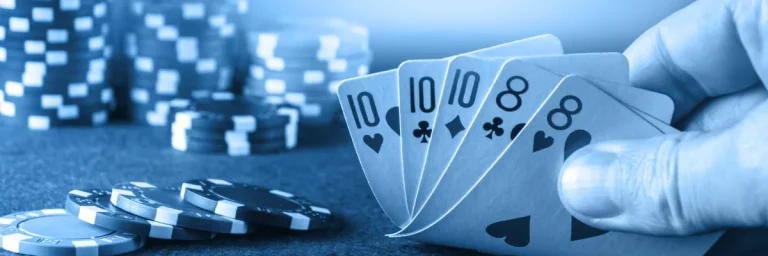
Poker is a game of skill, strategy, and probability. Among the various hands in poker, the full house poker hand stands out as a particularly strong combination.

Phil Ivey is a name that resonates throughout the poker world.
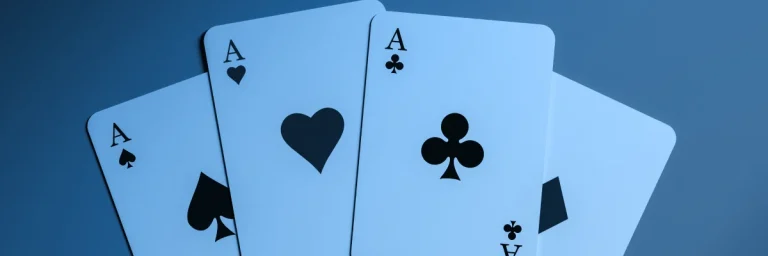
Playing cards are a universal language of games, strategy, and symbolism.

Poker has long fascinated both casual fans and serious players, not just for the thrill of the game but also for the staggering fortunes amassed by its most successful participants.

Poker chips are an integral part of the game, whether you’re playing at a high-stakes casino, hosting a home game or even poker with two people, or participating in a major tournament.

Poker is a game of skill, strategy, and psychology, but at its core lies a simple mechanic that keeps the action moving: the blinds.

Value betting in poker is a cornerstone of profitable play, especially when your goal is to extract the maximum number of chips from your opponents.

Slow play is one of the most intriguing and misunderstood tactics in poker.
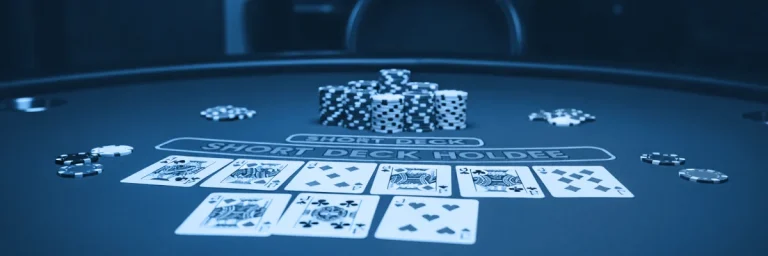
Short Deck Poker, also known as Six Plus Hold’em, has rapidly gained popularity in both live and online poker circles.