


 Casino
Full House Poker Hand Ranking & Probability
Poker is a game of skill, strategy, and probability. Among the various hands in poker, the full house poker hand stands out as a particularly strong combination.
May 25, 2026

Poker is a game of skill, strategy, and psychology, but beneath the surface lies a crucial element that shapes every hand and every session: the poker rake. Whether you’re playing online or live, understanding what is poker rake and how it impacts your bottom line is essential for any serious player. This comprehensive guide explores the mechanics of rake, its influence on your strategy, and how modern trends – like cryptocurrency and innovative rake models – are changing the landscape for players worldwide.
To appreciate the importance of poker rake, it’s vital to start with the fundamentals. Poker rake is the fee collected by the house (casino, cardroom, or online poker site) for hosting the game. Unlike other casino games where the house edge is built into the rules, poker pits players against each other, so the operator takes a small commission from each pot or tournament entry to generate revenue.
At its core, poker rake is a commission. It ensures that poker rooms can cover operational costs, pay staff, and offer secure, well-run games. Without rake, poker rooms wouldn’t be able to sustain themselves, especially given the infrastructure required for both live and online play.
The way rake is collected varies, but the most common structures include:
Each structure has its pros and cons, affecting different player types in unique ways.
Rake calculation is typically straightforward but can differ by room:
| Rake Structure | Method | Typical Range | |
| Pot Rake | % of pot (capped) | 2.5% – 10% (up to £5 cap) | |
| Time Collection | Fixed per interval | £5 – £20 per hour | |
| Tournament Fee | % of buy-in | 5% – 15% |
For example, in a £100 pot with a 5% rake capped at £5, the house would take £5, even if 5% would be £5 or higher. Online sites often use incremental raking, only taking rake if the pot exceeds a certain threshold.
Understanding these basics is the first step in grasping the broader impact of rake on your poker experience, from casual games to high-stakes battles.
Rake doesn’t just affect the house’s profits; it fundamentally alters the dynamics of the game for players. The importance of poker rake becomes clear when you consider its direct impact on your Poker win rate and overall profitability.
Every hand you play is subject to the rake, which means your actual winnings are always slightly less than the raw pot size. For example, if you consistently win small pots, the cumulative effect of rake can turn a break-even strategy into a losing one. This is especially true at lower stakes, where the proportion of rake to pot size is higher.
A key concept here is the “break-even point.” This is the win rate you must achieve just to cover the cost of the rake. If the rake is too high relative to the stakes, even skilled players can struggle to turn a profit.
Smart players adjust their strategy based on the rake structure. Some common adjustments include:
A “rake trap” occurs when the rake consumes so much of the pot that even winning players can’t overcome it. This is common in micro-stakes games with high rake percentages or uncapped rake. Recognising these situations is crucial – sometimes the best move is to avoid certain games altogether.
By understanding and adapting to the impact of rake on your poker practice, you can make more informed decisions and avoid common pitfalls that erode your profits.
Rake isn’t a one-size-fits-all concept. It varies not only by venue but also by the type of poker you play. Understanding these differences is key to optimising your approach and maximising your returns.
In cash games, the house typically takes a percentage of each pot (pot rake), whereas in tournaments, the fee is collected upfront as part of the buy-in. This distinction has significant implications:
For example, a £1/£2 cash game might have a 5% rake capped at £5 per pot, while a tournament might charge a 10% entry fee.
Online poker rooms often have lower operating costs, allowing for lower rake percentages and caps. However, the sheer volume of hands played online means that even small differences in rake can add up over time.
| Format | Typical Rake % | Cap per Pot | Tournament Fee % | |
| Live Cash | 5% – 10% | £5 – £10 | 10% – 15% | |
| Online Cash | 2.5% – 6% | £1 – £4 | 5% – 12% |
Live venues may also use time collection for higher-stakes games, while online sites rarely do.
At low stakes, rake often represents a larger proportion of the pot, making it harder to beat the game. High-stakes games usually have lower relative rake or higher caps, meaning skilled players can retain more of their winnings.
Understanding these nuances helps you choose the right games and formats for your skill level and bankroll.
Since rake is an unavoidable part of poker, the goal is to minimise its impact on your results. This involves both strategic adjustments and taking advantage of rewards programmes offered by modern poker rooms.
Playing in position (acting after your opponents) allows you to control pot size and extract more value, helping to offset the cost of rake. Similarly, tightening your hand selection – especially in early positions – reduces the number of marginal spots where rake can turn a small edge into a loss.
To stay profitable, you must win at a rate higher than the effective rake. Calculating your break-even point involves tracking your win rate (in big blinds per 100 hands) and comparing it to the average rake paid.
Example Calculation:
If you pay 10 big blinds per 100 hands in rake, your win rate must exceed this just to break even. Any edge below this is lost to the house.
Many online poker sites offer rakeback or loyalty rewards, returning a portion of the rake you pay as cash or bonuses. These programmes can significantly improve your bottom line, especially for high-volume players.
| Reward Type | Description | Typical Value | |
| Rakeback | % of rake returned as cash | 5% – 40% | |
| Loyalty Points | Points for play, redeemable for prizes | Varies | |
| Cashback | Direct cash based on play volume | 5% – 25% |
Always factor in these rewards when evaluating the profitability of a game or site.
The world of poker is evolving, and so are the ways in which rake is structured and collected. Technological advancements and increased competition among poker rooms have led to innovative approaches that can benefit savvy players.
With the rise of crypto casinos like Betpanda, players are seeing new models that leverage the efficiency of digital currencies. Poker registration on these platforms is typically fast and hassle-free. Instant crypto deposits and withdrawals, combined with lower transaction costs allow some bitcoin poker platforms to offer reduced rake or alternative fee structures.
The online poker landscape is fiercely competitive. To attract and retain players, many rooms are experimenting with:
These trends force operators to balance profitability with player satisfaction, resulting in a more dynamic and player-friendly environment.
Looking ahead, the future of poker rake is likely to involve even more customisation and flexibility. Expect to see:
As technology and competition continue to evolve, players who stay informed and adaptable will be best positioned to thrive.
Most cash games have a rake of 2.5% to 10% of the pot, often capped at a set amount (e.g., £5). Tournament fees usually range from 5% to 15% of the buy-in.
Online poker generally features lower rake percentages and caps due to reduced operational costs. Live poker may have higher caps and sometimes uses time-based collection at higher stakes.
Rakeback is a reward programme where a percentage of the rake you pay is returned as cash or bonuses. It can significantly improve your overall profitability, especially for frequent players.
Rake directly reduces your win rate. To be profitable, your edge must exceed the amount paid in rake. High rake can make some games unprofitable, so always factor it into your strategy and game selection.
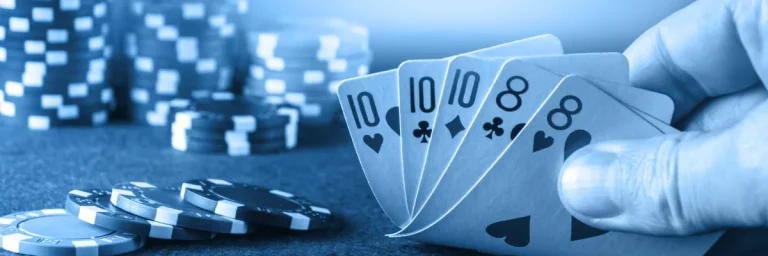
Poker is a game of skill, strategy, and probability. Among the various hands in poker, the full house poker hand stands out as a particularly strong combination.

Phil Ivey is a name that resonates throughout the poker world.
Playing cards are a universal language of games, strategy, and symbolism.

Poker has long fascinated both casual fans and serious players, not just for the thrill of the game but also for the staggering fortunes amassed by its most successful participants.

Poker chips are an integral part of the game, whether you’re playing at a high-stakes casino, hosting a home game or even poker with two people, or participating in a major tournament.

Poker is a game of skill, strategy, and psychology, but at its core lies a simple mechanic that keeps the action moving: the blinds.

Value betting in poker is a cornerstone of profitable play, especially when your goal is to extract the maximum number of chips from your opponents.

Slow play is one of the most intriguing and misunderstood tactics in poker.

Short Deck Poker, also known as Six Plus Hold’em, has rapidly gained popularity in both live and online poker circles.