


 Casino
Full House Poker Hand Ranking & Probability
Poker is a game of skill, strategy, and probability. Among the various hands in poker, the full house poker hand stands out as a particularly strong combination.
May 25, 2026
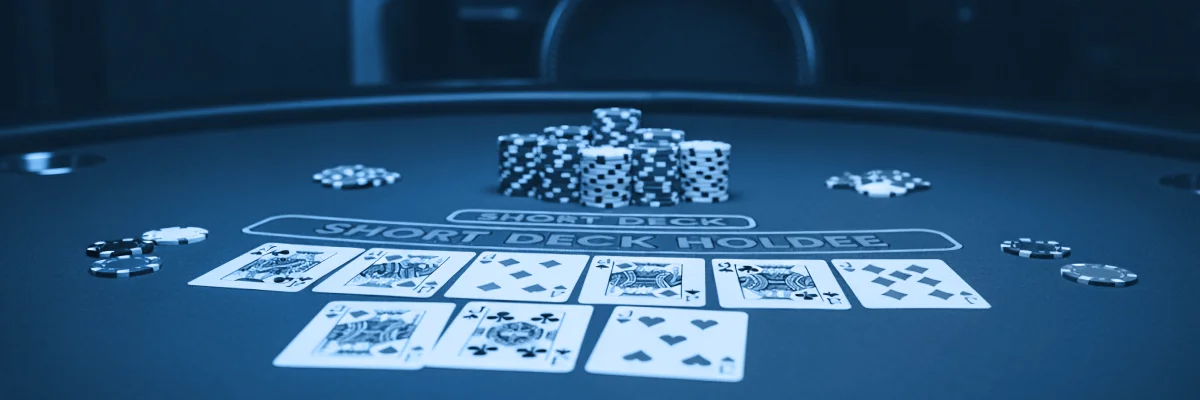
Short Deck Poker, also known as Six Plus Hold’em, has rapidly gained popularity in both live and online poker circles. Its unique deck structure, fast-paced action, and strategic depth have attracted professionals and recreational players alike. But what is short deck poker, and why do so many players find it irresistible? This comprehensive guide will explain the basics, rules, strategies, and the reasons behind its widespread appeal, while also highlighting how it differs from traditional Texas Hold’em.
Short Deck Poker is a thrilling variant of Texas Hold’em that uses a reduced deck of 36 cards, removing all cards ranked 2 through 5. This alteration significantly changes the probabilities and dynamics of the game, making it distinct from its full-deck counterpart.
In Short Deck Poker, the deck consists of the following cards:
By removing the 2s, 3s, 4s, and 5s, the game becomes more action-oriented. With fewer cards, the odds of making strong hands increase, leading to more frequent big pots and exciting showdowns.
The gameplay is similar to standard Texas Hold’em, but with a few key differences:
| Feature | Short Deck Poker | Texas Hold’em |
| Number of Cards | 36 (6-Ace) | 52 (2-Ace) |
| Hole Cards | 2 | 2 |
| Community Cards | 5 | 5 |
| Hand Ranking Changes | Yes | No |
| Most Common Structure | Ante-based | Blinds-based |
Short Deck Poker typically uses an ante-based betting structure, rather than the small blind/big blind format. Each player posts an ante, and often the button posts an additional ante to stimulate action. This structure encourages more players to see the flop and leads to larger pots.
While Short Deck Poker offers fast-paced excitement, it’s important to approach the game with discipline and awareness. Set limits, play within your means, and remember that variance is a natural part of poker.
One of the most crucial aspects of learning how to play Short Deck Poker is understanding the altered hand rankings. The removal of cards 2 through 5 changes the frequency of certain hands, which in turn affects their relative strength.
In traditional Texas Hold’em, the standard hand rankings apply. However, in Short Deck Poker, the probabilities of making straights and flushes shift, so the hierarchy is adjusted accordingly. The most common ranking changes are:
| Hand Type | Short Deck Rank | Texas Hold’em Rank |
| Royal Flush | 1 | 1 |
| Straight Flush | 2 | 2 |
| Four of a Kind | 3 | 3 |
| Flush | 4 | 5 |
| Full House | 5 | 4 |
| Straight | 6 | 6 |
| Three of a Kind | 7 | 7 |
| Two Pair | 8 | 8 |
| One Pair | 9 | 9 |
| High Card | 10 | 10 |
Note: Some venues or online platforms may use slightly different rankings, so always check the house rules before playing.
With only nine cards of each suit (instead of thirteen), flushes become much rarer. As a result, a flush is ranked higher than a full house in most Short Deck Poker games. This subtle shift has a significant impact on strategy and hand selection.
In Short Deck Poker, the lowest straight is A-6-7-8-9, since the 2, 3, 4, and 5 are missing. Aces can still be used as the high or low card in straights, adding an extra layer of complexity to hand reading.
Understanding these hand ranking changes is essential for making correct decisions at the table. Players who overlook these differences may misjudge the strength of their hands, leading to costly mistakes.
Short Deck Poker has captivated the poker community for several reasons. Its unique blend of increased action, strategic depth, and unpredictability makes it a favourite among both high-stakes professionals and casual enthusiasts.
With fewer cards in the deck, players are dealt stronger starting hands more frequently. This results in:
This dynamic creates a thrilling environment where every hand has the potential for drama, making Short Deck Poker a spectator favourite in televised events and online streams.
Short Deck Poker isn’t just about luck and big hands; it demands a fresh strategic approach. Players must adapt their thinking in several ways:
These factors make Short Deck Poker a challenging and rewarding game for those willing to learn its nuances.
The fast-paced nature of Short Deck Poker aligns with the preferences of modern poker players, who often seek games with more action and less waiting. The game’s popularity has surged in high-stakes circles, with prominent professionals like Tom Dwan and Phil Ivey showcasing their skills in televised Short Deck events.
Short Deck Poker is now widely available in online poker rooms and at major live events. Its accessibility and engaging gameplay have contributed to its rapid growth worldwide.
For players who value privacy and fast transactions, platforms like Betpanda offer Short Deck Poker with instant crypto deposits and withdrawals, catering to those who prefer anonymous or VPN-friendly play.
Mastering Short Deck Poker requires more than just understanding the rules. The altered deck and hand rankings demand a strategic overhaul compared to regular Texas Hold’em. Here are some essential tips for developing a winning approach.
With more high cards in play, hands that are marginal in regular Hold’em become stronger in Short Deck:
The ante-based structure means there’s more money in the pot before the flop, incentivising aggressive play. Limping is common, but well-timed raises and re-raises can apply pressure and build pots with strong holdings.
The mathematics of Short Deck Poker differ from regular Hold’em. For example, the odds of hitting a flush draw on the turn or river are higher, so drawing hands should be played more assertively.
| Draw Type | Regular Hold’em | Short Deck Poker |
| Flush Draw | ~35% | ~45% |
This increased probability should influence your decisions when facing bets or considering semi-bluffs.
Short Deck Poker is an evolving game. Successful players continually adjust their strategies based on table dynamics, opponent tendencies, and changing metagames.
As with any form of poker, it’s essential to understand what is poker rake, manage your bankroll, avoid chasing losses, and play within your limits. The excitement of Short Deck Poker can be intense, so maintaining discipline is key to long-term enjoyment.
To truly appreciate why players love Short Deck Poker, it’s helpful to compare it directly with traditional Texas Hold’em. The differences go beyond just the number of cards in the deck.
By removing the 2s through 5s, Short Deck Poker increases the frequency of strong hands. This shift impacts both pre-flop and post-flop play, with more big hands clashing and fewer “dead” cards in play.
As previously discussed, the altered hand rankings (flush beating full house) require players to rethink their approach to value betting and bluffing. In regular Hold’em, a full house is a powerhouse; in Short Deck, it’s often second-best to a flush.
Short Deck Poker is generally faster and more action-packed, with more hands played per hour and more frequent all-ins.
The ante structure and increased hand strengths lead to more multi-way pots and complex post-flop scenarios. Players must adapt to wider ranges and more aggressive play.
| Feature | Short Deck Poker | Regular Hold’em |
| Deck Size | 36 cards | 52 cards |
| Hand Ranking Changes | Yes | No |
| Betting Structure | Ante-based | Blinds-based |
| Game Pace | Faster | Moderate |
| Average Pot Size | Larger | Smaller |
Players who enjoy action, strategic depth, and unpredictability often gravitate towards Short Deck Poker. The game rewards creativity, adaptability, and a willingness to embrace variance.
The rise of online poker has made Short Deck Poker more accessible than ever. Whether you’re a seasoned pro or a newcomer, playing online offers unique advantages and challenges.
Short Deck Poker tournaments are growing in popularity, and understanding how poker tournaments work is essential for players looking to compete for significant prizes in a dynamic format. Tournament strategy differs from cash games, with considerations for stack sizes, blind levels, and payout structures.
Online poker is designed for entertainment. Remember to take breaks, set deposit limits, and play responsibly. If you ever feel your play is becoming problematic, seek support or take a break.
While the most common version of Short Deck Poker is Six Plus Hold’em, there are several variations and evolving trends that continue to shape the game.
Online poker rooms are experimenting with different structures, such as:
As players continue to seek new challenges and exciting formats, Short Deck Poker is well-positioned for further growth. Its adaptability, strategic depth, and entertainment value ensure it will remain a staple in both live and online poker communities.
Short Deck Poker’s blend of action, innovation, and strategy continues to captivate players worldwide. Whether you’re drawn to its fast pace or intrigued by its unique challenges, it’s a game that rewards both skill and adaptability. Always play responsibly and enjoy the excitement that Short Deck Poker brings to the modern poker landscape.
Short Deck Poker, or Six Plus Hold’em, is a poker variant played with a 36-card deck (6 through Ace), offering more action and different hand rankings than regular Texas Hold’em.
The main difference is that a flush beats a full house, as flushes are harder to make with fewer cards of each suit. The lowest straight is A-6-7-8-9.
Players enjoy the increased action, frequent strong hands, and strategic depth. The ante-based structure and altered probabilities create a dynamic and engaging game.
Yes, many online platforms, including Betpanda, offer Short Deck Poker games and tournaments, often with features like crypto transactions and privacy options.
Start by understanding the rules and hand rankings, then practise at lower stakes. Study strategy resources, watch expert videos, and review your hands to improve.
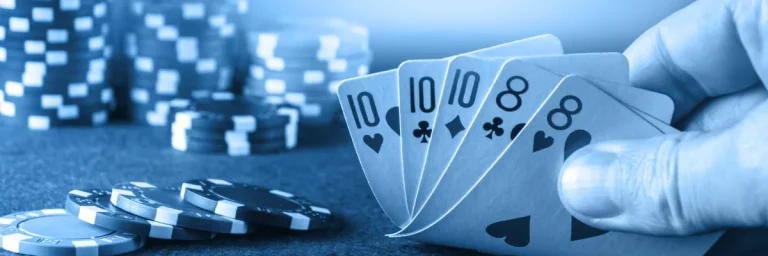
Poker is a game of skill, strategy, and probability. Among the various hands in poker, the full house poker hand stands out as a particularly strong combination.

Phil Ivey is a name that resonates throughout the poker world.

Playing cards are a universal language of games, strategy, and symbolism.

Poker has long fascinated both casual fans and serious players, not just for the thrill of the game but also for the staggering fortunes amassed by its most successful participants.

Poker chips are an integral part of the game, whether you’re playing at a high-stakes casino, hosting a home game or even poker with two people, or participating in a major tournament.

Poker is a game of skill, strategy, and psychology, but at its core lies a simple mechanic that keeps the action moving: the blinds.

Value betting in poker is a cornerstone of profitable play, especially when your goal is to extract the maximum number of chips from your opponents.

Slow play is one of the most intriguing and misunderstood tactics in poker.
Short Deck Poker, also known as Six Plus Hold’em, has rapidly gained popularity in both live and online poker circles.