


 Casino
Full House Poker Hand Ranking & Probability
Poker is a game of skill, strategy, and probability. Among the various hands in poker, the full house poker hand stands out as a particularly strong combination.
May 25, 2026
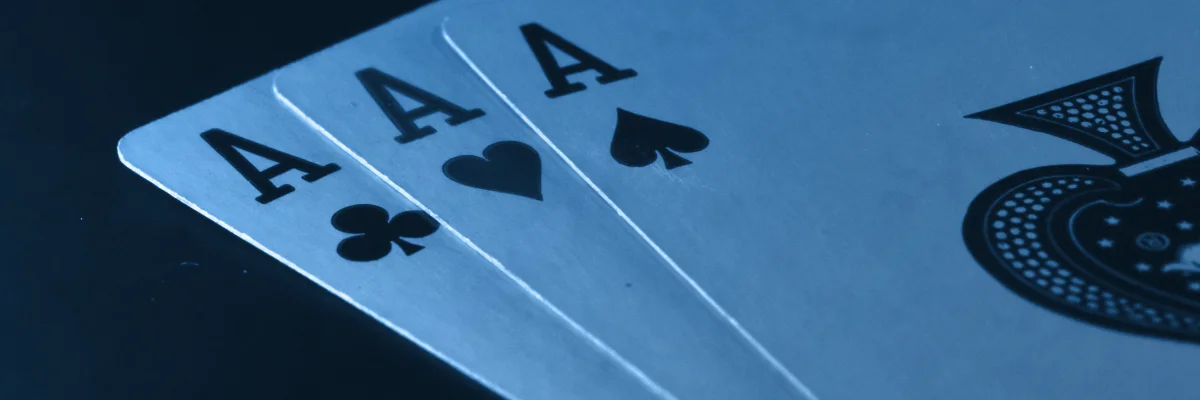
Understanding the flop poker meaning is essential for anyone seeking to master community card games like Texas Hold’em or Omaha. The flop marks a pivotal moment in each hand, shaping the strategies, bets, and possibilities for every player. Whether you are new to poker or refining your approach, grasping the rules, timing, and strategic nuances of the flop will elevate your game and decision-making. This guide explores the definition, mechanics, scenarios, and advanced concepts surrounding the flop, with practical examples and strategic insights.
The flop is a foundational concept in community card poker games, such as Texas Hold’em and Omaha. To understand the flop poker meaning, it’s crucial to grasp its definition, role in the game’s flow, and its relationship to other cards in play.
In poker, the flop refers to the first three community cards dealt face-up in the centre of the table. These cards are shared by all active players and form the basis for building hands in the subsequent betting rounds. The arrival of the flop dramatically shifts the dynamics of the hand, as players now have five cards to consider: their two private “hole” cards and the three community cards on the board.
The flop is significant because it reveals over half of the community cards available in a hand. This stage often determines whether players continue, fold, or adjust their strategy. The strength of your hand can change instantly depending on how well the flop connects with your hole cards.
The flop is dealt after the initial round of betting, known as the pre-flop. Here’s a simplified sequence:
This timing makes the flop a turning point. Players can now see more than half of their final hand and must decide whether to proceed, bet, or fold.
Community cards (the flop, turn, and river) are shared by all players, while hole cards are private. The flop is the first opportunity for players to combine their hole cards with shared cards, opening up a wide range of potential hands – from pairs and straights to flush draws and more.
Key Takeaways:
To fully appreciate the flop poker meaning, it’s important to understand the precise rules and mechanics that govern this stage. The actions of the dealer, the options available to players, and the structure of betting all play crucial roles in shaping the hand.
After the pre-flop betting round concludes, the dealer prepares to reveal the flop. The standard procedure is as follows:
This process is consistent across most community card poker variants, ensuring fairness and unpredictability. These safeguards also help address concerns around online poker cheating by maintaining the integrity of each deal.
Once the flop is revealed, a new round of betting begins. Players now have several options, depending on their position and the action before them:
These options allow for a wide range of strategic decisions, influenced by the strength of a player’s hand and their read on opponents.
The post-flop betting round proceeds clockwise, starting with the player closest to the dealer’s left who is still in the hand. Position is a critical factor here – acting later in the round provides valuable information about opponents’ intentions.
Table: Flop Betting Options and Their Effects
| Option | Description | Strategic Use |
| Check | Pass action with no bet | Control pot size, gather info |
| Bet | Place first wager | Build pot, apply pressure |
| Call | Match existing bet | Stay in hand, see next card |
| Raise | Increase bet | Force decisions, build pot |
| Fold | Exit hand | Minimise losses |
Understanding these mechanics is vital for making informed decisions and maximising your equity in each hand.
The flop can dramatically alter the course of a poker hand. To illustrate the flop poker meaning in action, let’s explore typical scenarios and hands you might encounter, from strong combinations to missed connections.
A “strong flop” occurs when the community cards significantly improve your starting hand. For example:
These scenarios often warrant aggressive betting, as you are likely ahead of most opponents.
Sometimes the flop gives you a “draw” – a hand that isn’t yet strong but has potential to improve. Common draws include:
Drawing hands require careful consideration of pot odds and implied odds before committing further chips.
Often, the flop does not improve your hand – a “missed flop.” For example, you hold Ace-King, and the flop is 7-8-2, none matching your cards. In these cases, players may still make a “continuation bet” (c-bet), representing strength and potentially forcing folds from weaker hands.
Example Table: Flop Scenarios
| Hole Cards | Flop | Result | Typical Action |
| A♠ K♠ | K♥ 7♦ 2♣ | Top pair | Bet/Raise |
| 8♠ 8♦ | 8♣ 4♥ 2♠ | Trips | Bet/Raise |
| 9♥ 10♥ | J♥ 7♣ 8♥ | Straight/Flush draw | Call/Bet |
| Q♦ J♠ | 2♣ 6♠ 9♠ | Missed | Check/Fold/Bet |
Recognising these scenarios helps you decide when to bet, call, or fold, and when to apply pressure through continuation betting.
Mastering the flop poker meaning involves more than understanding rules – it requires strategic thinking. The flop is where information, mathematics, and psychology converge, influencing every decision.
Your position at the table – whether you act early or late – has a profound impact on flop strategy. Acting later (closer to the dealer button) allows you to see how opponents respond, providing valuable clues about their hand strength. Early position requires caution, as you must act without this information.
Tips:
Pot odds compare the current size of the pot to the cost of a contemplated call. Calculating pot odds helps you determine whether calling a bet is profitable in the long run, especially with drawing hands.
Example Calculation:
Compare this to your “equity” – the probability of completing your draw or winning the hand. If your chances of improving are better than the pot odds, a call is justified.
The composition of the flop – known as “board texture” – affects hand strength and betting strategies. A “wet” board (e.g., 7♠ 8♠ 9♣) offers many draws and potential strong hands, while a “dry” board (e.g., K♣ 7♦ 2♠) is less coordinated.
Key Points:
Understanding these strategic factors enables you to make better decisions, manage risk, and maximise your long-term success.
For experienced players, the flop poker meaning extends into advanced territory, where subtleties in betting, psychology, and board analysis can provide a significant edge.
When more than two players see the flop, the value of strong hands and draws changes. In multi-way pots:
Adjust your strategy by tightening your range and focusing on hands with strong potential.
Advanced players pay close attention to the “texture” of the flop. This includes:
Analysing texture helps anticipate opponents’ possible holdings and plan your betting accordingly.
The flop is a prime spot for well-timed bluffs, especially when the board favours your perceived range. For example, if you raised pre-flop and the flop is Ace-high, opponents may credit you with a strong hand, allowing you to represent strength even if you missed.
Bluffing Tips:
Advanced flop play involves balancing aggression with caution, leveraging information, and exploiting board dynamics for maximum advantage.
By understanding the flop poker meaning, rules, and strategic considerations — often regarded as the best way to learn poker — you’ll be better equipped to navigate this crucial stage of the game. Whether you play live or at a reputable online crypto casino like Betpanda — a trusted bitcoin poker legal destination — mastering flop play is key to long-term success. Always play responsibly and make informed, thoughtful decisions at the table.
If you miss the flop – that is, the community cards do not improve your hand – you can choose to check, fold, or sometimes make a continuation bet to represent strength. The best option depends on your position, opponents’ tendencies, and the board texture.
With a strong hand (such as top pair, two pair, or a set), you generally want to bet for value and protect against draws. Adjust your bet size based on the board’s texture and the number of opponents.
Consider folding if the flop does not connect with your hand and you face significant aggression, especially on coordinated boards that favour your opponents’ likely ranges.
Odds vary by draw. For example, with two suited cards, you have about an 11% chance of flopping a flush. Open-ended straight draws have roughly an 8% chance. Always compare these odds to the pot odds before calling.
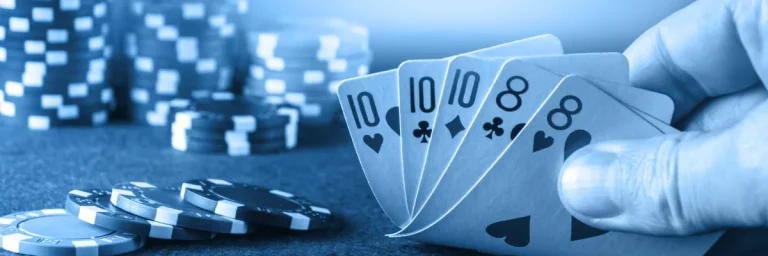
Poker is a game of skill, strategy, and probability. Among the various hands in poker, the full house poker hand stands out as a particularly strong combination.

Phil Ivey is a name that resonates throughout the poker world.
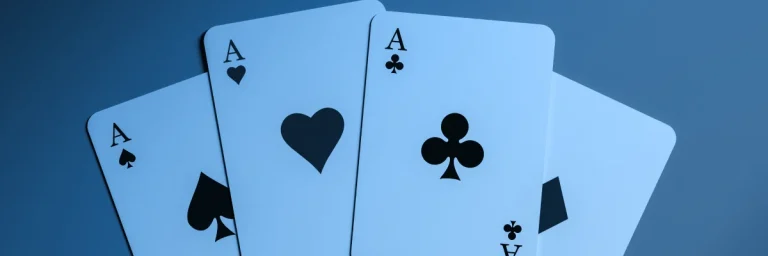
Playing cards are a universal language of games, strategy, and symbolism.

Poker has long fascinated both casual fans and serious players, not just for the thrill of the game but also for the staggering fortunes amassed by its most successful participants.

Poker chips are an integral part of the game, whether you’re playing at a high-stakes casino, hosting a home game or even poker with two people, or participating in a major tournament.

Poker is a game of skill, strategy, and psychology, but at its core lies a simple mechanic that keeps the action moving: the blinds.

Value betting in poker is a cornerstone of profitable play, especially when your goal is to extract the maximum number of chips from your opponents.

Slow play is one of the most intriguing and misunderstood tactics in poker.
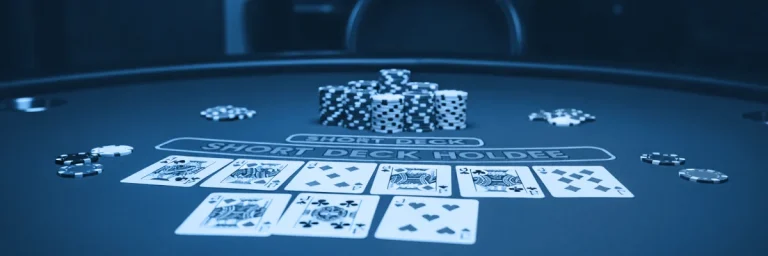
Short Deck Poker, also known as Six Plus Hold’em, has rapidly gained popularity in both live and online poker circles.